
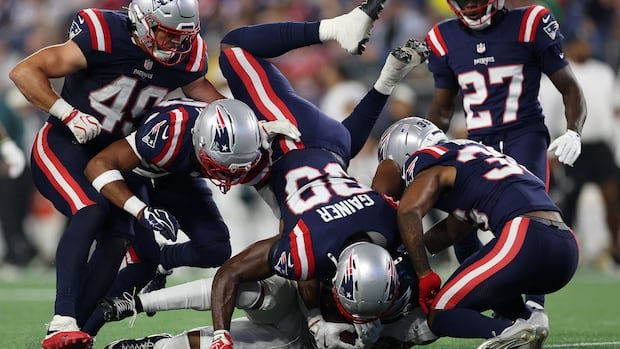

A recent study conducted by a prominent U.S. research team revealed that approximately one in four former National Football League (NFL) players exhibited signs of chronic traumatic encephalopathy (CTE) at the time of their death. CTE, a brain disease linked to repetitive head trauma typically seen in contact sports, can result in severe symptoms such as memory loss, balance issues, and behavioral changes like depression, aggression, and suicidal thoughts.
Previous research has indicated a high prevalence of CTE among deceased NFL players who donated their brains for study. However, the latest study, conducted by Mass General Brigham, Boston University, and the Concussion & CTE Foundation, aimed to estimate the overall occurrence of CTE among all NFL players.
The findings, published in the British Medical Journal, revealed that over 90% of the brains donated by former players showed evidence of CTE. To extrapolate the prevalence among players who did not donate their brains, researchers estimated a conservative figure of around 25%.
Lead author Dr. Daniel Daneshvar expressed concern over the alarmingly high minimum rate of CTE among former NFL players. The study also highlighted that approximately six in 10 NFL players with CTE met the clinical criteria for dementia.
The study emphasizes the urgent need for increased awareness of the risks associated with head trauma in sports and the long-term consequences of repetitive head injuries. Dr. Charles Tator, a Canadian neuroscientist, stressed the importance of implementing safety measures in both professional and amateur sports to prevent CTE-related disabilities.
Efforts to protect athletes’ brains have been made by leagues like the NFL, but researchers emphasize the necessity for comprehensive prevention strategies to mitigate the risks of CTE. The study advocates for early interventions to reduce head impacts in sports and emphasizes the importance of ongoing research to understand the mechanisms behind CTE development.