
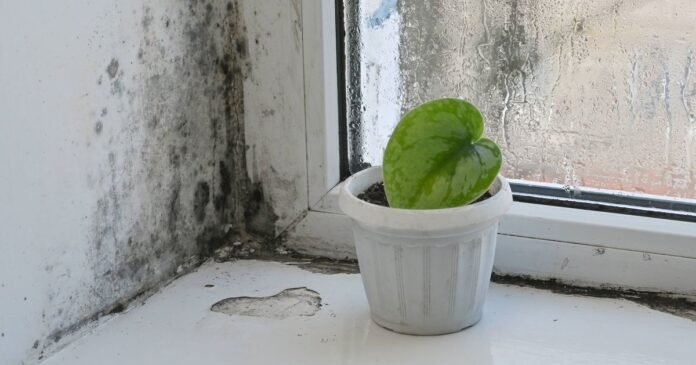

Plant specialists have identified five common indoor plants that can help prevent mold growth in homes during the winter months, particularly in January when mold issues are prevalent in British households. With windows closed and heating systems running constantly, excess moisture builds up indoors from activities like boiling water, cooking, and drying clothes.
As warm air meets cold surfaces, it condenses into water droplets, leading to damp areas and mold growth as temperatures drop. This seasonal increase in mold occurs every winter, with January being the peak period.
Studies have shown that incorporating specific houseplants into different rooms can be a cost-effective way to combat mold growth. To assist in selecting the most effective plants against mold, the Bloom Buddy Plant Care App has shared a list of five popular houseplants on their TikTok platform.
According to BloomBuddy, English Ivy is an excellent choice for bathrooms as it can reduce airborne mold particles by up to 60% and thrives in humid conditions. However, it is important to provide bright, indirect light, maintain moist soil, and trim regularly for optimal effectiveness while keeping it away from pets due to its toxicity if ingested.
The peace lily is another plant recommended for mold prevention, absorbing mold spores through its leaves and adding beauty to any space. Dracaena trifasciata, also known as the snake plant, is a low-maintenance option that can extract moisture from the air, making it effective against mold.
Ferns are suitable for humid environments like bathrooms, naturally increasing humidity while removing mold-causing particles. Palms are also beneficial for managing humidity levels, absorbing excess moisture to prevent mold growth and purifying the air by eliminating harmful substances like formaldehyde and xylene.
In conclusion, these houseplants offer practical and natural ways to combat mold in homes, especially during the winter months when mold issues are more common.