

The upcoming weekend in Britain is expected to bring wintry conditions, as forecasters are predicting snow and ice across various regions. To prepare for the weather, there are simple steps individuals can take to stay safe and avoid potential hazards.
During cold spells, one of the primary concerns is the formation of slippery surfaces on driveways and pathways due to icy conditions. The Met Office has suggested a practical solution to address this issue by using a common household item in vulnerable areas, which could help prevent accidents.
While various hacks have circulated on social media to address slippery surfaces, experts recommend using salt or sand to tackle icy conditions effectively. According to the Met Office, using salt or sand is preferable to water, as water can refreeze and create black ice, increasing the risk of injuries due to its slippery and invisible nature.
To prevent ice formation, it is essential to apply salt before temperatures drop below freezing. Experts advise spreading a thin and uniform layer of salt, approximately half a cup per square meter, across pathways and driveways to lower the freezing point of water and prevent ice buildup.
If snow has already accumulated, it is recommended to clear the snow with a shovel before applying rock salt to improve traction and reduce slipperiness. In severe snowfall conditions, combining rock salt with grit and sand can enhance traction, but caution should be taken to avoid piling it up near vegetation or water sources.
Focus on treating inclines and frequently used areas for maximum effectiveness, as salt dissolves in moisture and disrupts ice crystal formation. Additional salt may be needed for steps and walkways, but it should be kept away from lawns and plants to prevent damage.
When clearing snow and ice, spreading salt on the cleared area can help prevent black ice. Ordinary table or dishwasher salt can be used, with a tablespoon per square meter recommended. Avoid using salt from salting bins, as it is typically reserved for road clearing purposes.
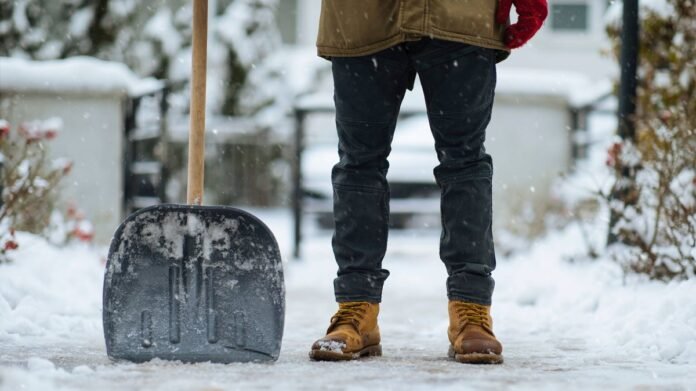
For safe snow shoveling, ensure cleared snow does not block paths or drains. Start by creating a clear path down the middle of the area to be cleared, then shovel the snow from the center to the sides. Visit the website for more detailed instructions.
At Reach and our entities, we and our partners utilize cookies and other identifiers to enhance site experience, analyze usage, and display personalized ads. You can manage your data preferences by clicking the “Do Not Sell or Share my Data” button. By using our website and services, you consent to the use of cookies as outlined in our Privacy Notice and Terms and Conditions.