
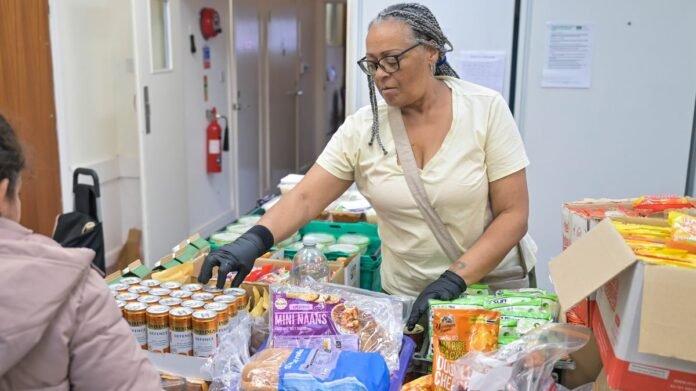

Almost a quarter of employed parents have resorted to emergency food assistance services over the past year, as revealed by recent distressing research. The Felix Project, a food redistribution charity, discovered that 10% of parents have had their child go hungry on a weekly basis, with 9% admitting to sending their children to school without having eaten.
In a survey conducted by the organization among 4,000 working parents with children aged 16 and under, it was found that 23% had utilized a food bank, with a quarter of them needing this support every one to two weeks. Rachel Ledwith, Head of Community at The Felix Project, expressed deep concern, emphasizing the heartbreaking reality of children going to bed hungry regularly and the crucial role food banks play in preventing widespread hunger.
She further highlighted the projected increase in demand for such services as winter progresses. The charity estimated that more than 1.7 million parents across the UK have turned to food banks for assistance. The Felix Project works to repurpose surplus food to support approximately 1,200 organizations in London, including food banks, shelters, community centers, and schools.
According to their survey, 13% of parents relying on food banks have been doing so for over a year. The Felix Project is set to merge with FareShare, a national group that supplies food to 8,000 charities, contributing to a total of 148 million meals provided last year.
Sharing her struggles, a mother named Edith from South London, living with her 16-year-old son, expressed the financial strain she faces each month, often left with very little after paying bills. Another mother, Jane, voiced her concerns about her son’s awareness of their financial difficulties, noting the emotional toll it takes on her inability to meet their needs despite working tirelessly to cover expenses.
Rod Williams, managing director of Crest Cooperative in North Wales, highlighted the growing demand for their services, recounting stories of individuals, including part-time workers and parents, forced to make tough choices between essentials like food and heating, especially during the holiday season.