
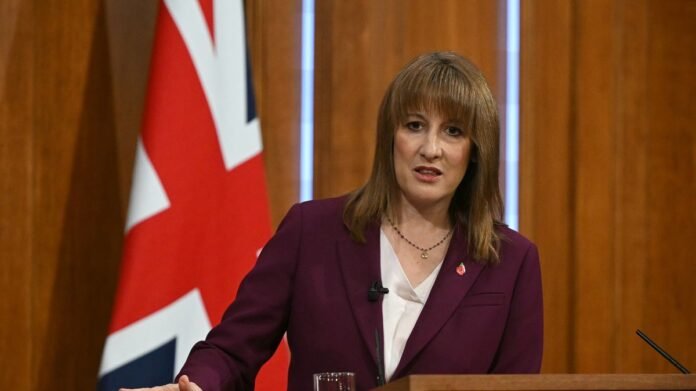

Rachel Reeves made a bold move by hinting at the upcoming Budget set for three weeks from now. While lacking specifics, her announcement carried significant weight in terms of the overall vision at this juncture.
Following a previous Budget known for its tax increases, perceived as a one-time event, the current Chancellor’s speech signals a potential continuation of tax hikes and possibly breaking manifesto promises, which could face public backlash.
Reeves is taking a gamble by suggesting that increased contributions from citizens will lead to an enhanced state of the country, public services, and national finances. The outcome of the upcoming general election and the future direction of the nation may hinge on whether her approach proves successful.
Despite avoiding direct references in her speech, the growing anticipation in recent weeks points to the likelihood of another financially challenging Budget emphasizing tax increases over extensive spending cuts, with a commitment to steering clear of past austerity measures associated with the Tory era.
Labour’s manifesto had pledged to spare working individuals from tax hikes, ruling out increases in National Insurance, Income Tax rates, or VAT. However, changes in the economic landscape since then have raised the question of the sustainability of such promises, given that these three taxes contribute substantially to the overall tax revenue.
The potential for adjustments in tax rates across different income bands is a topic of speculation, with projections suggesting significant revenue gains but also stirring controversy due to long-standing conventions. Any rise in tax rates could impact various income groups, including employees, pensioners, and the self-employed.
While proposals like cutting employee National Insurance have surfaced, the focus remains on the implications of adjusting Value Added Tax rates on consumer spending, inflation, and overall economic stability. Reeves aims to address rising costs of essentials like energy and food, hinting at potential VAT changes to alleviate financial burdens on households.
Further discussions revolve around shifting certain levies from utility bills to general taxation, aiming to reduce household expenses and mitigate inflationary pressures. Various sectors, including pensions and online gambling, are under scrutiny for possible tax adjustments that could affect different segments of the population.
As deliberations continue on potential tax reforms, the government faces a balancing act of generating revenue, addressing economic challenges, and ensuring equitable distribution of financial burdens among the populace.