
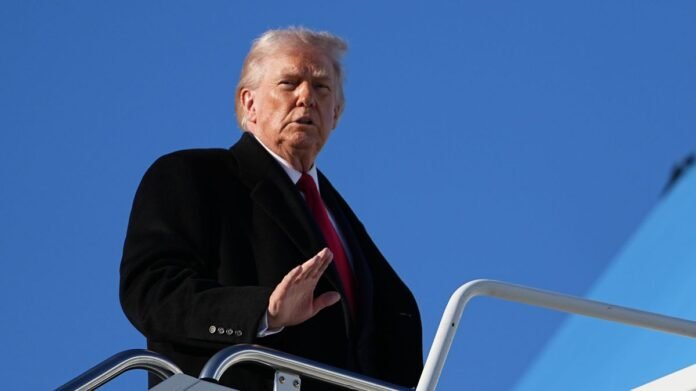

In the coming months, it is crucial to monitor Donald Trump’s actions, particularly his efforts to erode trust in American elections. While he has previously made baseless claims of election fraud, his current focus is on the upcoming midterm elections in November. Projections suggest that Trump’s Republican Party may face significant losses, potentially losing control of the House and Senate, which could impact the remainder of his term.
To counter this, Trump is advocating for the SAVE Act, a bill in Congress that includes provisions such as mandating photo ID for voter registration and restricting postal voting. Supporters argue that these measures enhance election security, while critics point out that millions of eligible voters, especially young individuals, lack photo ID, which can be costly. Additionally, concerns arise from the fear of voter intimidation, particularly among minority communities, and the disproportionate impact on Democratic-leaning voters who rely on postal ballots.
Despite the valid debates surrounding election integrity, the focus remains on the Republicans’ historical tactics of voter suppression. Trump’s administration aims to introduce more stringent measures, potentially leading to the rejection of legitimate ballots and casting doubt on election results they are likely to lose.
Furthermore, the administration’s disregard for the constitution and legal checks is evident in Trump’s recent statements on social media. His push for voter ID requirements and his determination to implement them unilaterally for the upcoming midterms highlight his willingness to challenge established norms and processes.
Amidst these developments, the SAVE Act and related initiatives are perceived as strategies to manipulate election outcomes rather than safeguard democratic principles. The implications of these actions raise concerns about the future of fair and transparent electoral processes in the United States.