
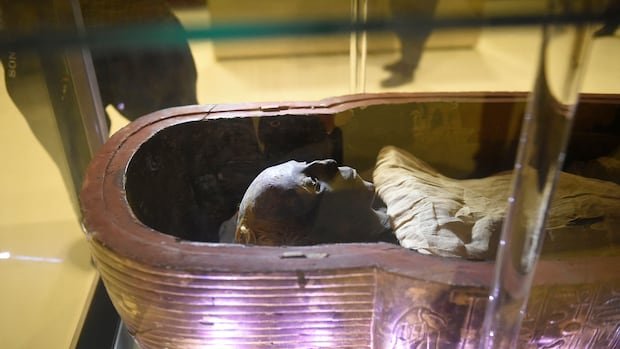

A recent study reveals a surprising online market for preserved human remains, raising concerns about potential health risks associated with this niche hobby. Lead author Kirsty Squires and her team investigated 128 web posts from 2015 to 2025 showcasing human and animal remains for sale. The posts commonly featured mummified heads, hands, and feet, highlighting the prevalence of such items in the market.
These preserved body parts may contain dormant microorganisms like bacteria and fungi, which could pose health risks if mishandled. Improper storage conditions, as observed in online images, can lead to the deterioration of remains, potentially releasing harmful fungal spores and bacteria into the air. The study also notes the presence of toxic chemicals like arsenic and mercury in some mummified body parts from the 19th and early 20th centuries.
While the study does not provide specific instances of individuals falling ill from handling such remains, historical cases highlight the potential dangers. For instance, conservation scientists in 1973 died after exposure to mould spores from a 15th-century tomb, while Lord Carnarvon’s death in 1923 raised speculation about airborne fungal spores in Tutankhamun’s burial chamber.
In Canada, where 11 of the examined posts originated, concerns persist regarding the unregulated sale and trade of human remains online. Despite regulations prohibiting the mailing of mummified human remains by carriers like Canada Post, loopholes exist that allow sellers to bypass restrictions by falsely labeling packages as archaeological samples.
The study emphasizes the need for ethical considerations in this trade, with some experts questioning the necessity of a ban on the online sale of human remains. However, calls for stricter regulations, akin to a proposed bill in the U.K., are gaining traction in countries like Canada to address the commodification and potential risks associated with trading in human remains.