
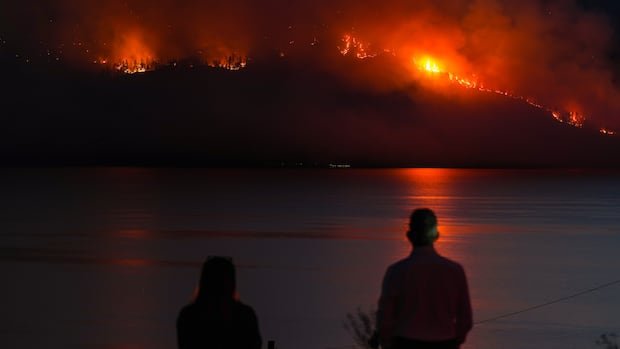

A powerful El Niño event, known as a “super” or “Godzilla” El Niño, is back in the Pacific Ocean, disrupting global weather patterns amidst already high temperatures across the world. North America and Europe experienced record-breaking heat in July, leading to numerous heat-related fatalities, dried-up water sources, and widespread wildfires. This scorching summer coincided with the return of El Niño, although climate scientists clarify that it is not directly responsible for these extreme weather events. However, they warn that the combination of El Niño and human-induced climate change could intensify extreme weather conditions.
Climate scientist Josh Willis from NASA’s Jet Propulsion Laboratory emphasized the broad and significant impact of El Niño across a vast area, warning of a tumultuous period ahead. El Niños occur every three to seven years, beginning in spring and lasting into the following year, with a notable rise in sea surface temperatures along the equatorial Pacific. This warming alters atmospheric patterns, leading to reversed weather conditions where dry areas receive heavy rainfall and vice versa.
This year’s El Niño, potentially on par with the strongest recorded in 2015-16 and 1997-98, may bring unexpected consequences due to the unprecedented warmth associated with it. Scientists anticipate a warmer winter for Canada and the northern U.S., while British Columbia could face reduced precipitation. The southern U.S. is expected to experience a wetter winter, reflecting the diverse impacts of El Niño on different regions.
El Niño is already affecting regions like Peru and Ecuador, causing heavy rains, flooding, and drought, while Panama is experiencing water shortages impacting the Panama Canal. Indonesia is facing an extended wildfire season due to El Niño conditions. The hurricane season in the Atlantic is also influenced by El Niño, leading to fewer storms but increased activity in the Eastern Pacific.
The current El Niño event occurring in a world already impacted by climate change poses unprecedented challenges, with implications likely to extend well into 2027. While El Niño’s effects may persist for the next six to twelve months, the long-term trend of climate change continues to exacerbate extreme weather events globally.