
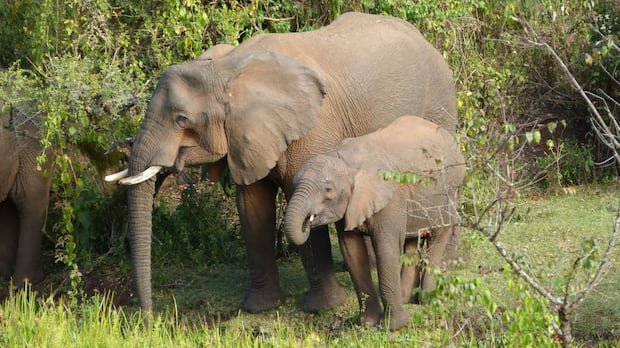

In an exclusive interview, scientist Elodie Freymann shared fascinating insights on African elephants in Kenya’s Mount Elgon region. Researchers have uncovered stories of elephants exhibiting self-medication behavior, such as chewing medicinal plants and mothers feeding their young with plant-infused milk.
Freymann, co-author of a recent study published in the Nature journal, emphasized the intelligence and complexity of elephant societies. The study, based on local knowledge from the Sabaot community, identified several dozen medicinal plants utilized by Mount Elgon elephants, highlighting the importance of biodiversity conservation for these intelligent creatures.
While the findings suggest elephants’ potential self-medication practices, further research is essential for conclusive evidence. Chase LaDue, an elephant ecologist, emphasized the need for health data and experimental validation to confirm intentional medicinal behavior in elephants.
The study, leveraging insights from community members with extensive elephant interaction, revealed elephants consuming specific plants traditionally used in local medicine. This anecdotal evidence, while insightful, requires scientific scrutiny to establish a causal link between plant consumption and medicinal intent in elephants.
Freymann acknowledged the initial study’s limitations and expressed the team’s plans to analyze footage documenting elephant interactions with medicinal plants. This visual evidence aims to provide a deeper understanding of elephants’ self-medication behavior.
If substantiated, elephants’ self-medication practices would align them with other animals like chimpanzees and great apes known for similar behavior. Freymann stressed the importance of biodiversity conservation, emphasizing the critical role of medicinal plants in supporting animal health and ecosystem balance amid changing environmental conditions.