
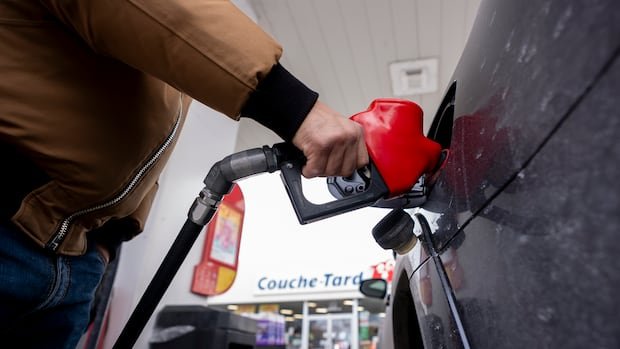

Finance Minister François-Philippe Champagne revealed on Wednesday that the federal excise tax holiday on gasoline and diesel will be extended until January 31, 2027. Following this extension, from February 1 to March 31, 2027, the excise tax will be reintroduced at 50% of the pre-tax holiday rate before reverting to the full rate on April 1, 2027. This extension also applies to the four-cent per litre excise tax on aviation fuel.
Champagne announced these measures in Ottawa as part of the government’s initiative to assist Canadian families and businesses in coping with the escalating cost of living. He highlighted that ongoing disruptions in the Middle East have escalated energy costs, leading to higher fuel prices and added financial strain on households, workers, and businesses in Canada.
Earlier in April, Carney had temporarily eliminated the 10-cent federal excise tax on a liter of gas, four cents per liter on diesel, and four cents per liter on aviation fuel until September 7. This move, estimated to cost $2.4 billion, aimed to cushion Canadians from short-term economic pressures triggered by a surge in global oil prices following the U.S.-Iran conflict.
The extension of the tax holiday is projected to incur an additional $2.9 billion, totaling $5.3 billion in fuel tax relief since April, according to Finance Canada’s estimates. Additionally, in 2022, the Ford government introduced its temporary fuel tax holiday, reducing taxes on gas and diesel, resulting in annual savings of approximately $115 per household as per the 2026 provincial budget.
Responding to the announcement, Ontario Premier Doug Ford expressed approval of the extension and advocated for its permanency. When asked about Ford’s request for a permanent extension, Champagne remained noncommittal, stating that a decision would be made based on the prevailing circumstances in January.
The excise taxes on fuel, incorporated by producers and importers, are eventually passed on to consumers at the pump. Champagne emphasized that the excise tax holiday directly benefits consumers by lowering fuel costs nationwide. Lowering the federal fuel excise tax is deemed one of the most effective measures to alleviate financial burdens on Canadians amidst rising living costs.
Conversely, NDP Leader Avi Lewis criticized the measure as corporate welfare favoring oil companies amid soaring oil prices influenced by geopolitical conflicts. Lewis proposed imposing a windfall tax on oil corporations to counter the price hikes faced by consumers.