

In 2020, a group of government inspectors in Goa, India, visited United Marine Products factory to investigate its disposal of toxic wastewater. Local residents had long complained about the factory’s pollution, caused by the production of fish meal, a protein powder for farmed fish. During the inspection, it was revealed that the plant had resorted to drilling illegal bore holes to dispose of wastewater, leading to groundwater contamination and adverse effects on villagers and livestock.
The plant owner denied any wrongdoing, highlighting the link between seafood consumers in Canada and such distant issues. Despite the geographical gap, the factory supplied Skretting, a major feed producer used by Canadian fish farms, connecting consumers to the production chain. A five-year investigation by The Outlaw Ocean Project uncovered various social and environmental costs associated with fish feed production, affecting artisanal fishing jobs, worker safety, and triggering protests due to factory emissions.
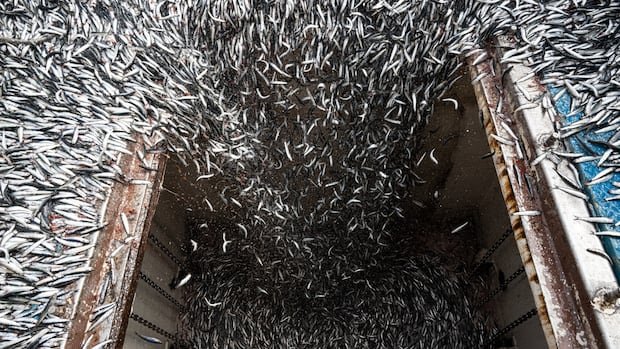
The investigation also shed light on the reliance of Canada’s aquaculture industry on global fish meal production. As per the UN Food and Agriculture Organization, over half of the world’s seafood consumption since 2022 has originated from fish farms, fueled by fish meal made from wild fish. While efforts to reduce fish meal dependence have been made, the industry still faces sustainability challenges, with implications ranging from food insecurity to environmental degradation in countries where fish meal is sourced.
The Outlaw Ocean Project’s extensive investigation mapped the global fish meal industry, revealing hidden costs and social injustices in various countries. From food insecurity in Gambia to labor exploitation in China, the investigation highlighted the complex web of issues associated with fish meal production. Moreover, the assessment of fish meal vessels worldwide exposed non-compliance with transparency standards, raising concerns about overexploitation of fish stocks and environmental impact.
As the aquaculture industry evolves, there is a growing emphasis on reducing fish meal dependency and enhancing sustainability. While progress has been made in incorporating alternative feed ingredients, the demand for fish meal persists, driving challenges such as overfishing and social unrest in fish meal-producing nations. The investigation also uncovered instances of pollution and unsustainable practices in Canadian fish meal plants, prompting calls for enhanced oversight and accountability across the supply chain.