
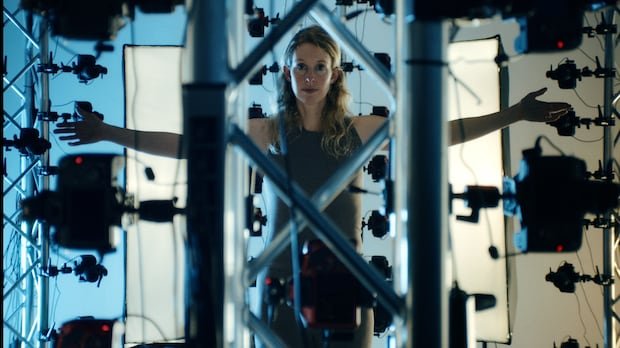

“You Can See Everything” has become a highly discussed movie that viewers are eager to experience without spoilers. The documentary, exploring the life of Elizabeth Holmes, the founder of Theranos and a convicted fraudster, attracted a large audience during its opening weekend, grossing over $15 million in the U.S. This marked the second-highest debut for a non-musical documentary, following only “Fahrenheit 9/11” in 2004. Despite its limited release in 855 theaters across Canada and the U.S., the film achieved significant success.
Receiving overwhelming positive feedback, “You Can See Everything” earned a remarkable 99% fresh rating on Rotten Tomatoes and a 4.8 score on Letterboxd, becoming the highest-rated movie on the platform. Reviewers praised the documentary for its captivating content, with comments like “My mouth was agape for basically the entire last two hours” and “Just an absolutely phenomenal crazy fever dream of a documentary.”
The film’s premise is simple yet engaging, following a film crew, led by directors Nathan Fielder and Lance Oppenheim, as they document the lives of Elizabeth Holmes, her partner Billy Evans, and their children in the last 34 days before Holmes begins serving a lengthy prison sentence for fraud. Viewers were drawn into the theatrical experience, with reactions ranging from gasps to applause, showcasing the impact of the documentary on audiences.
Nathan Fielder’s unique interviewing style and his collaboration with Elizabeth Holmes in the documentary created a captivating and thought-provoking narrative. The film presents intense and uncomfortable interviews, reminiscent of Fielder’s previous work on “Nathan for You,” challenging audiences to reconsider their perceptions of truth.
Distributed by A24, the same company behind other acclaimed films like “The Invite” and “Tony,” “You Can See Everything” further solidifies A24’s reputation for working with visionary directors. The documentary’s success is a testament to the company’s commitment to original storytelling and artistic expression.
Overall, “You Can See Everything” offers a cinematic experience that sparks conversations and leaves viewers contemplating the nature of truth. As audiences continue to engage with the film, its impact on the industry and the audience’s perception of storytelling is likely to endure.