
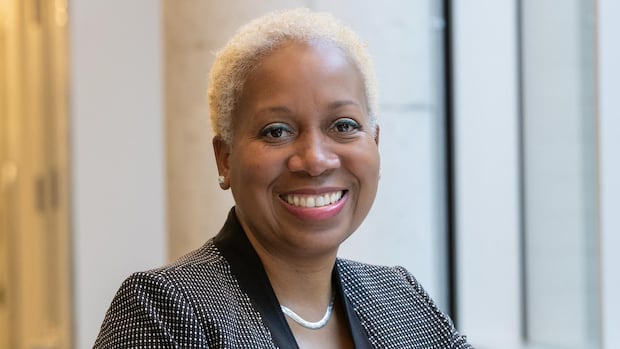

In 2009, Shaiya Robinson experienced a moment that would shape her future during an interview at McMaster University. She met Juliet Daniel, a Black woman heading a cancer research lab, which was something she had never witnessed before.
Robinson, who had seldom seen Black faculty members, noted that this meeting signified more than just an interview; it allowed her to envision herself in a similar role.
“I had never encountered a Black professor before.”
Daniel became Robinson’s supervisor, mentor, and eventually a colleague.
Today, Robinson serves as an assistant professor at McMaster, embodying many of the teachings from the woman who paved the way for her future.
On Monday, Robinson joined former students, friends, and colleagues at McMaster University to celebrate Daniel’s enduring legacy. The Barbadian-Canadian educator and researcher was a long-term survivor of breast cancer, who passed away on April 28 at the age of 61.
“She played a crucial role in both my professional and personal journeys,” Robinson reflected.
Committed to Exploring New Questions
Daniel began her tenure at McMaster in November 1999 as an assistant professor, becoming the first Black woman to join the university’s faculty of science.
Her research aimed to uncover why certain cancers affected specific populations more significantly and the reasons behind varying outcomes.
She gained international acclaim for her studies on triple-negative breast cancer (TNBC), an aggressive type of cancer that disproportionately impacts Black and Hispanic women.
Her findings contributed to a deeper understanding of the genetic factors influencing cancer outcomes, including her identification of a gene she termed Kaiso, named after a style of calypso music linked to her Caribbean roots.
Michele James, a long-time acquaintance of Daniel for nearly 30 years, is a board member of The Olive Branch of Hope (TOBOH), an organization supporting breast cancer patients.
James remarked that Daniel was advocating for health equity and addressing disparities in healthcare long before it became a widespread topic.
“She was a genuine pioneer in that area.”
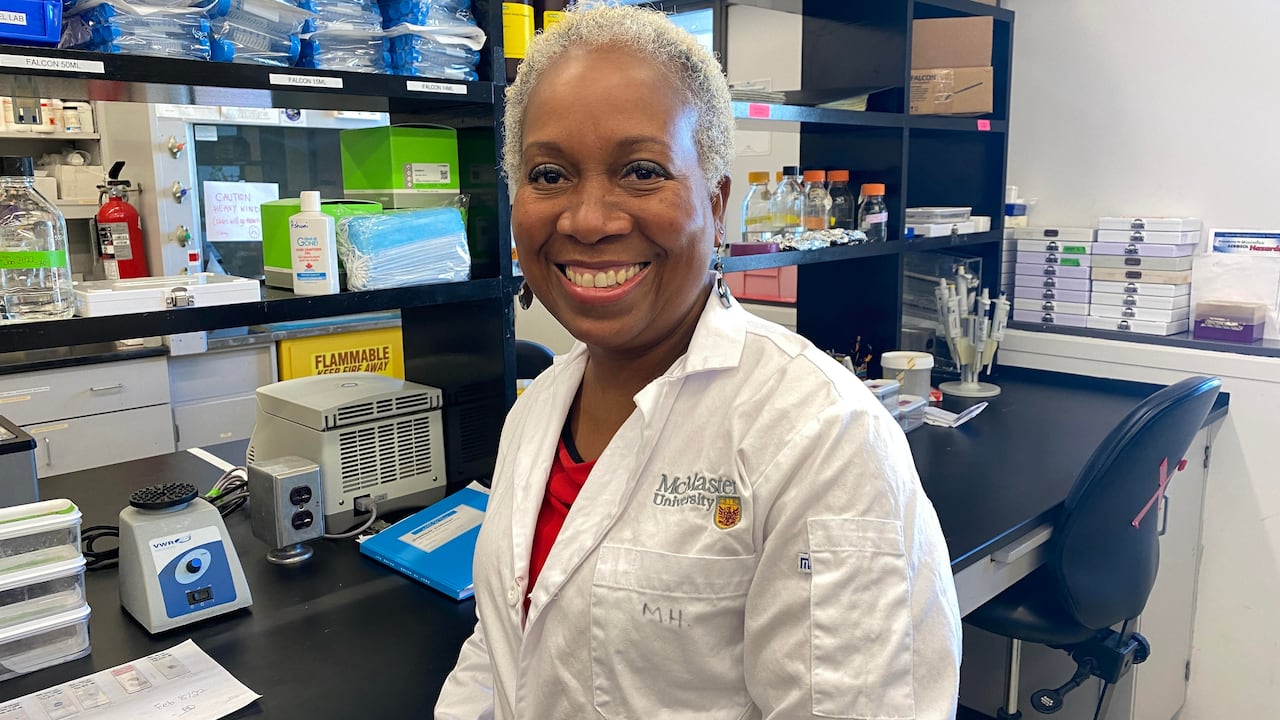
Daniel was a co-founder of several organizations, including the African Caribbean Faculty Association of McMaster, the Canadian Black Scientists Network, the McMaster Academic Women’s Success and Mentorship Lecture Series, and the Canadian Multicultural LEAD Organization for Mentoring and Training. (Paul Smith/CBC)
Dedicated to Students and Community
Robinson mentioned that despite Daniel’s busy schedule, she always made it seem like students and colleagues had her undivided attention.
“Even though she was pressed for time, she made you feel like you were a priority.”
Daniel also guided Kevin Kelly, who is now in the biotechnology field.
Kelly first met Daniel in 2000 as an undergraduate seeking a supervisor for his research. He remained in her lab throughout his PhD, becoming the first doctoral graduate from her research group.
Kelly expressed that Daniel took her role as a mentor seriously and was always willing to dedicate her time.
“She was constantly thinking about her students.”
He admired her courage to tackle questions often overlooked in the scientific community, especially those related to cancer in Black women.
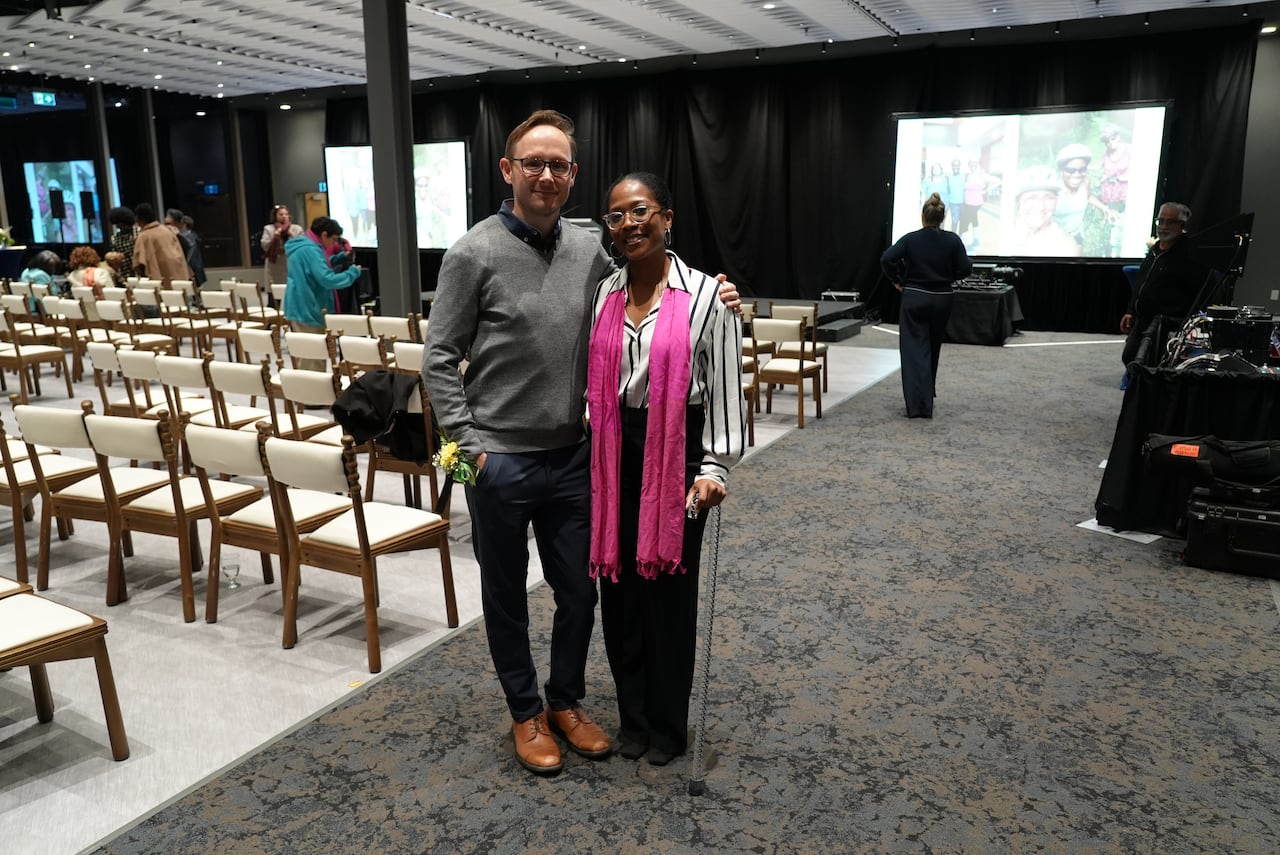
Kevin Kelly and Dr. Shaiya Robinson, left to right, both benefited from Daniel’s mentorship and remember her for her scientific achievements and nurturing mentoring style. (Jeffery Tram/CBC)
Daniel was instrumental in fostering a more robust community for Black academics. She co-established the African Caribbean Faculty Association of McMaster and the Canadian Black Scientists Network, among various other initiatives aimed at promoting mentorship, inclusion, and student success.
“I was really proud of her for taking that brave step,” James stated. “She was already busy, yet she took on this additional responsibility to advance the cause for others, not just herself.”
Proud of Her Bajan Roots
For Stephanie Roberts, Daniel was primarily a childhood friend.
The pair grew up in the same neighborhood in Barbados, having met when Roberts was around three and Daniel was five. They maintained their close friendship even after Daniel moved to Canada and Roberts relocated to the United States.
Roberts reminisced about Daniel’s commitment to making an impact in cancer research, particularly after losing her mother to the disease.
She noted that Daniel initially considered a career in medicine before shifting her focus to research to seek better solutions for those affected by cancer.
“It was never about financial gain,” Roberts emphasized. “Her true desire was to find a cure for cancer.”
Despite their different professional paths, Daniel would occasionally invite Roberts to accompany her on work-related trips.
She also cherished Daniel as a lifelong friend from her homeland.
Daniel had a passion for calypso music, dancing, cooking, and entertaining friends, and was an accomplished ballroom dancer with several accolades, according to Roberts.
Roberts noted that Daniel never introduced herself by her academic title, regardless of her accomplishments.
“Whenever you were with her, she would simply say, ‘Hi, I’m Juliet.’
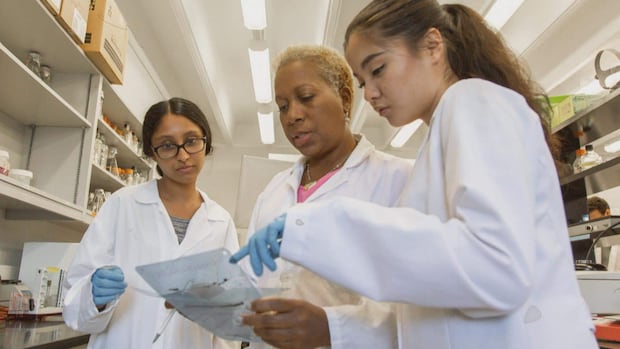
Juliet Daniel migrated to Canada from Barbados in 1983 to study medicine but opted to focus on cancer research following a personal tragedy. After two decades of being the only Black female scientist at McMaster University, she expressed her desire to inspire Black Canadians to aim beyond traditional definitions of success.
Roberts mentioned that Daniel was immensely proud of her Barbadian heritage and consistently sought ways to contribute back to her community.
James shared that during the COVID-19 pandemic, Daniel assisted Barbados by connecting its government with individuals who could facilitate access to vaccines, medical knowledge, and supplies.
Daniel’s contributions earned her various accolades, including the title of Distinguished University Professor in 2025, McMaster’s highest honor for faculty members. Her research has been referenced over 6,400 times.
In 2024, the Canadian Intellectual Property Office recognized Daniel as one of three Black Innovators in Research and Medicine.
Roberts hopes that Daniel’s name will be permanently commemorated, potentially through a tribute at McMaster or having a living lab in Barbados named in her honor.
“It’s disheartening that we often have to wait until someone passes to celebrate them,” she remarked.
Robinson expressed her intention to follow Daniel’s example by prioritizing mentorship for her own students.
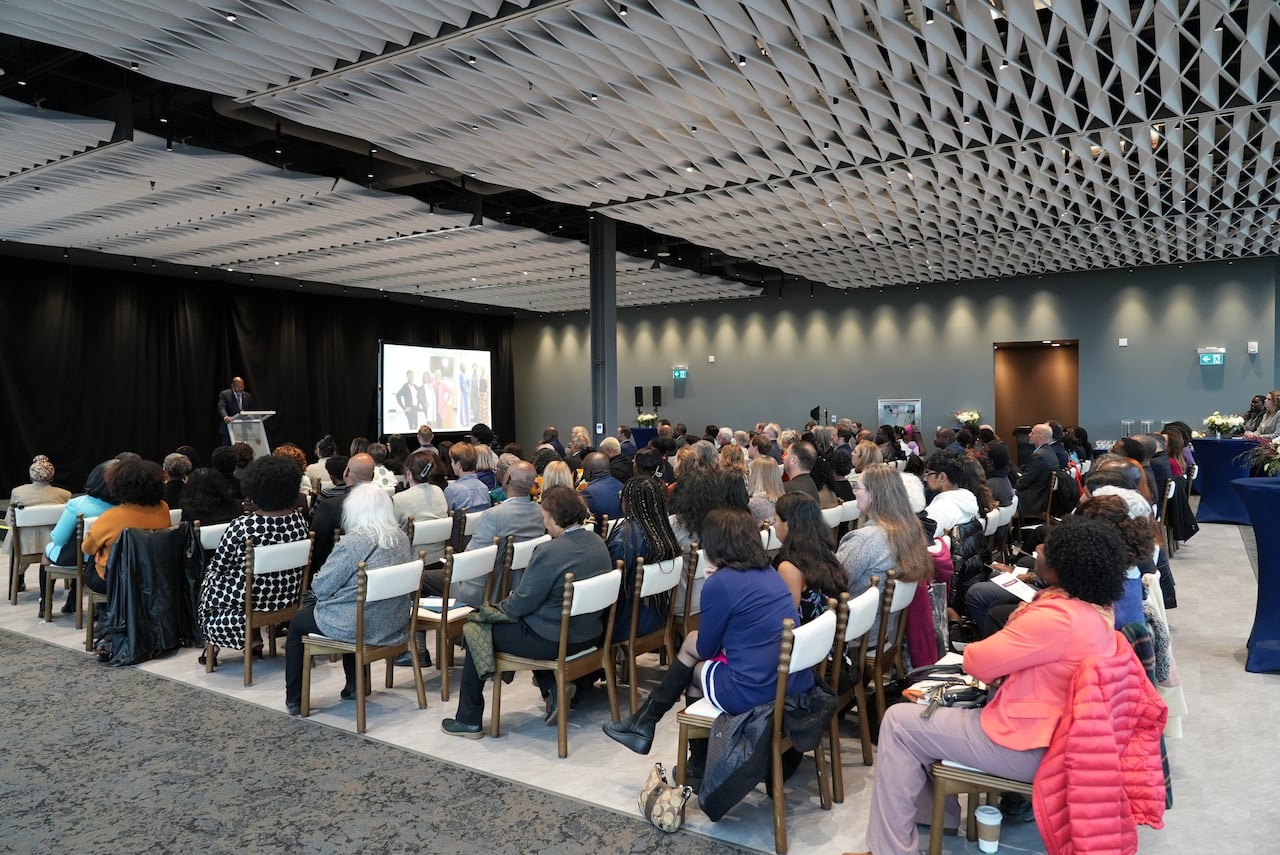
The event honoring Daniel attracted friends, colleagues, students, and mentees to the McLean Centre for Collaborative Discovery at McMaster University. (Jeffery Tram/CBC)
During the celebration on Monday, James shared a quote that she felt encapsulated Daniel’s outlook on life: “It’s better to light one small candle than to curse the darkness.”
James noted that the gathering attracted many individuals whose lives had been influenced by Daniel.
“She was like a candle that you could use to ignite many other candles,” she stated.
“As I looked around the room this afternoon, I felt that there were so many candles that had been lit initially by Juliet, and their light would persist endlessly.”
For further narratives about the experiences of Black Canadians—ranging from anti-Black racism to success stories within the Black community—explore Being Black in Canada, a CBC initiative that highlights the achievements of Black Canadians. You can find more stories here.

(CBC)