
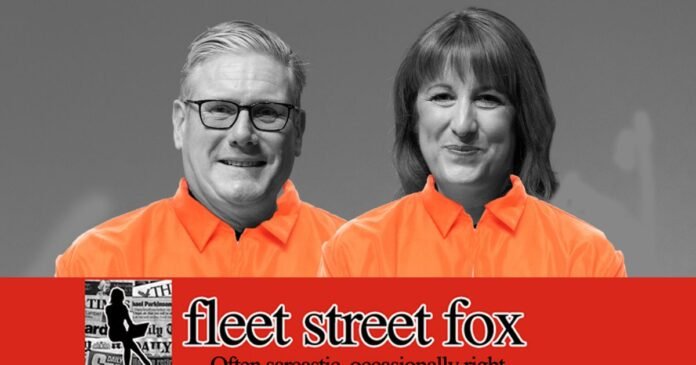

As Chancellor Rachel Reeves prepares to present the Budget on Wednesday, the anticipation is not about lavish spending but rather about looming tax hikes, financial challenges, and strategic moves. Despite the public’s concerns about the rising cost of living, the government’s focus remains on economic stability and market interests. While there may be discussions about minor adjustments to certain areas like healthcare and benefits, any significant changes are constrained by financial limitations and political agendas.
The upcoming Budget is expected to reflect a stagnant economic outlook amid a backdrop of global uncertainties such as job losses, technological advancements, and geopolitical tensions. Despite the government’s efforts to project change, the reality is that fundamental issues persist, leaving the electorate disillusioned with the lack of substantial reforms.
The current administration, led by Prime Minister Keir Starmer, faces mounting challenges inherited from previous governments, exacerbated by recent crises and controversies. The hope for a better future hinges on overcoming these obstacles, including addressing post-Brexit repercussions and restoring economic stability.
While the government grapples with internal turmoil and external pressures, the public remains skeptical about the prospects of meaningful change. The Budget announcement serves as a symbolic gesture rather than a transformative event, reinforcing the notion of borrowed time in the realm of political decision-making.
As the political landscape evolves, the fate of the current leadership hangs in the balance, with the Budget unveiling another chapter in the ongoing saga of economic uncertainties and public discontent. Despite the rhetoric of change, the reality paints a picture of persistent challenges and limited prospects for a significant turnaround in the foreseeable future.