

The Bank of Canada has kept interest rates unchanged since July 2023. Despite expectations for another hold next week, there is a growing sentiment among economists and traders that the central bank may raise its rate to tackle persistent inflation. The current policy rate has been steady at 2.25% since a cut in October 2025.
Bank of Canada Governor Tiff Macklem has indicated the possibility of raising borrowing costs if energy prices stay high due to ongoing conflicts in the Middle East. Recent inflation data from Statistics Canada highlighted a surge in energy costs, although this increase has not yet significantly affected other sectors. However, a Bank of Canada survey revealed that businesses are preparing for higher prices.
While a Bloomberg survey suggests a hold, some major financial institutions like the Bank of Montreal, RBC Dominion Securities, and Desjardins Group have shifted their forecasts from a hold to a rate hike on October 28. Traders are now indicating an 87% probability of a 25-basis point rate hike next week, up from 70% earlier in the week, based on swap market data.
Experts such as Derek Holt of Scotiabank and Macquarie Group economist David Doyle are in favor of a rate hike, expecting a gradual increase in rates. Mortgage broker Leah Zlatkin also anticipates a potential rate hike cycle.
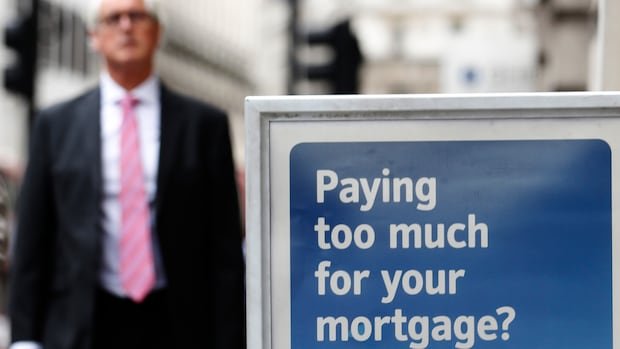
The prospect of rising interest rates could have a significant impact on the real estate market, affecting mortgage payments and buyer eligibility. Market analysts warn that higher rates could further weaken the housing market, potentially leading to a decline in home prices.
The Canadian Real Estate Association recently revised down its forecast for 2026 home sales, citing a more hawkish stance from the Bank of Canada. Despite recent declines in home prices, some see this as an opportunity to buy, anticipating further price drops if rates increase.