
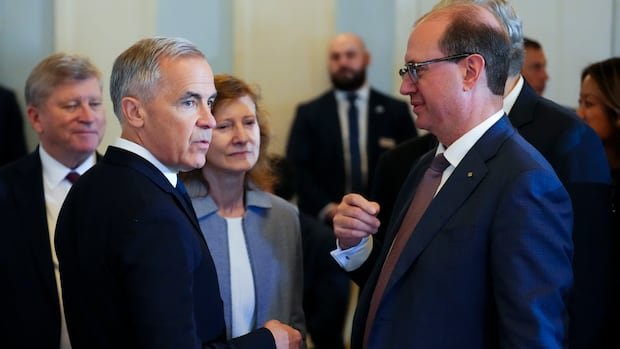

Canada’s representative to the United States emphasized the necessity of reintroducing American alcohol into Canadian markets as a crucial step towards finalizing a trade agreement and averting potential tariffs. Ambassador Mark Wiseman revealed this information during a comprehensive briefing to approximately 100 members of the Canada-U.S. trade council, comprising businesses, industry associations, and labor unions.
The ongoing negotiations in Washington involving Canada’s trade team and the Trump administration aim to prevent the imposition of 50% tariffs on Canadian exports, with a looming deadline of midnight Friday. Wiseman disclosed during the discussion a preliminary agreement to sidestep the new tariffs, as relayed by sources familiar with the call. The potential deal includes measures to reduce tariffs on steel, aluminum, and automobiles, as well as modifications to the allocation of dairy import licenses by the Canadian government.
Former Canadian chief trade negotiator Steve Verheul, who provided insights to the council, expressed reservations about the proposed deal. He cautioned against the immediate risks posed by the latest Section 338 tariffs imposed by the U.S., highlighting concerns that accepting sectoral tariffs and similar concessions could jeopardize Canada’s long-term interests. Verheul warned that such concessions might lead to escalating demands from the American side, emphasizing the importance of maintaining leverage for future negotiations under the Canada-U.S.-Mexico Agreement (CUSMA).
Verheul’s message underscored the need for Canada to assert its stance against the sectoral tariffs on aluminum, steel, and automobiles proposed by the Trump administration. He stressed the importance of prioritizing duty-free trade objectives in upcoming CUSMA reviews and urged clarity in Canada’s position when making concessions. Concerns were raised about the lack of adequate consultation with affected industries by the Canadian government, contrasting with the detailed briefings provided to the U.S. industry by the Trump administration.
The council discussion also featured former finance minister and deputy prime minister Chrystia Freeland, who participated in the call. Freeland, who played a key role in renegotiating NAFTA into CUSMA, raised doubts about the potential implications of agreeing to tariffs and the challenges of reversing such decisions in the future. The council members expressed frustration over the lack of transparency and consultation with relevant industries, while emphasizing the importance of maintaining strategic leverage in trade negotiations.