
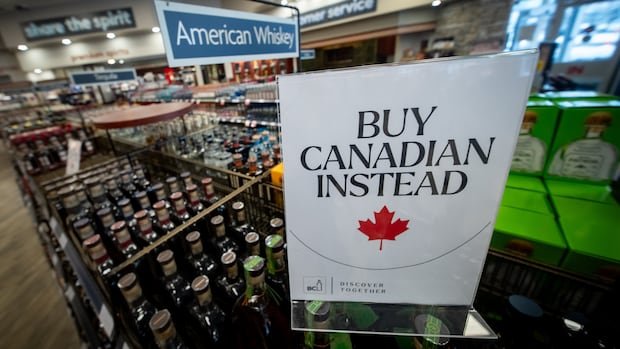

Amidst the ongoing trade dispute with the U.S., the status quo remains for American alcohol availability in Canada following the recent collapse of a trade deal.
Contrary to some reports suggesting a complete ban on American alcohol, the situation is more nuanced, according to Robert Huish, a Dalhousie University professor specializing in sanctions and tariffs. Huish described the situation as a strategic move by provinces rather than an embargo, blockade, or boycott.
The landscape of American alcohol availability varies widely across Canada, with Alberta allowing full access while Ontario’s LCBO, a major purchaser of alcohol globally, has chosen to keep American products off its shelves.
Provinces like Nova Scotia have taken a middle ground approach, sending a strong symbolic message to the U.S. government. The impact of these decisions has been felt at the highest levels, including personal reactions from the Trump administration.
A detailed breakdown of American alcohol availability by province sheds light on the diverse strategies in place. For instance, British Columbia permits private liquor stores to purchase warehoused American alcohol, while Alberta recently lifted a temporary ban on American alcohol imports.
In Saskatchewan, the situation mirrors Alberta’s model, with a temporary halt in U.S. alcohol purchases being lifted after a few months. Additionally, retaliatory measures have been implemented, such as a 50% levy on American alcohol products in Saskatchewan.
Manitoba experienced fluctuations in its approach, initially removing American alcohol from shelves, then reintroducing it before pulling it again due to new tariffs imposed by the U.S. In contrast, Ontario has maintained a stringent boycott, refusing to sell off warehoused American stock or use sales for charitable purposes.
Quebec follows a similar path, with limited sales of vulnerable American products resumed recently. New Brunswick and Nova Scotia also took steps to halt purchases but gradually resumed sales to select buyers over time.
Despite the availability of American alcohol in various provinces, consumer interest remains lukewarm as Canadians increasingly turn to local alternatives amid ongoing trade tensions.