
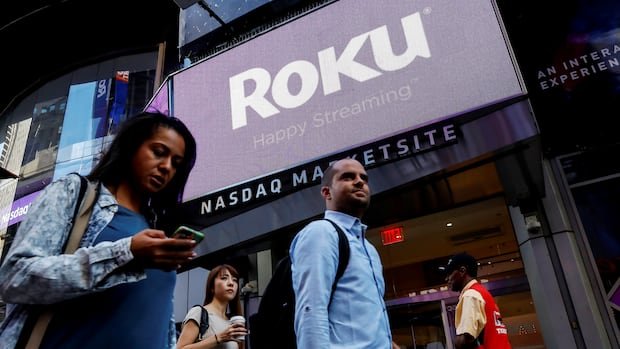

Artificial intelligence has expanded its reach into the entertainment industry, with the launch of Fairground AI Creator TV on the Roku Channel, a popular streaming platform. While Roku did not formally announce the addition of this 24/7 AI-generated content channel, it was first reported by Cord Cutters News.
However, the introduction of Fairground AI Creator TV has sparked online criticism from viewers who are not enthusiastic about the concept. Critics like Frank Landymore of Futurism and Bradly Shankar of MobileSyrup have expressed their disapproval of Roku’s decision to offer continuous AI-generated content.
Fairground AI Creator TV is categorized as a FAST channel, which means it is free to watch with advertisements. Currently, there are around 200 FAST channels available on the Roku Channel in Canada, but Fairground AI is not among them. There is no confirmation yet whether the channel will expand to the Canadian market.
Roku, a leading streaming company, has recently been acquired by Fox in a multi-billion dollar deal, highlighting its significance in the streaming industry. The emergence of AI-generated content is becoming more prevalent across various platforms, with initiatives like AI-generated movies and AI-powered characters by companies like Hasbro.
The CEO of Fairground AI, Colin Petrie-Norris, envisions a promising future for AI-generated content despite initial skepticism. He draws parallels to the evolution of content on platforms like YouTube and believes that AI creators will eventually gain mainstream recognition and success.
Fenwick McKelvey, a professor at Concordia University, views the introduction of an AI channel on Roku as a strategic move to attract viewers and reduce costs. While the concept may not appeal to everyone, he emphasizes the diverse reasons why people watch TV and suggests that the AI channel could serve as a form of dynamic background content.
Despite the potential of AI-generated content, challenges remain regarding issues such as copyright compliance and privacy concerns. Regulatory bodies like the Canadian Radio-television and Telecommunications Commission are cautious about fully AI-generated content, emphasizing the importance of human creative control in content creation.
The debate surrounding AI in the entertainment industry continues, with organizations like the Alliance of Canadian Cinema, Television and Radio Artists advocating for stricter regulations to protect human performers and ensure fair compensation for creators. As AI technology advances, the balance between economic opportunities and ethical considerations remains a critical issue in the industry.