
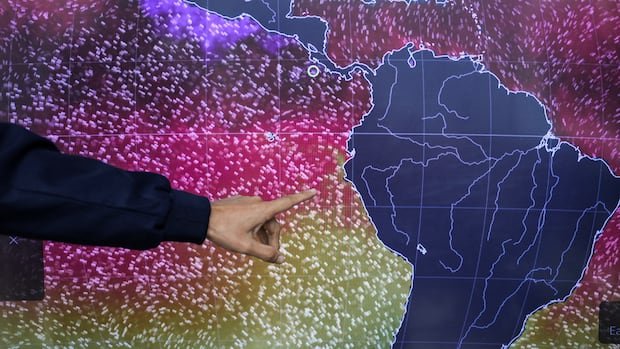

El Niño, a natural climatic phenomenon known for causing global temperature spikes, is expected to peak in the coming months and persist through the spring, according to experts. The impacts of El Niño are already evident in current weather patterns and human preparations.
At the Panama Canal, low water levels are affecting operations due to decreased rainfall associated with El Niño. The Panama Canal Authority is limiting daily transits as a precautionary measure for the extended El Niño season. Displaced seabirds, such as blue-footed boobies, are appearing in unusual numbers near Panama City, a result of El Niño altering marine food supplies.
Governments across Latin America are taking proactive measures in response to the strengthening El Niño, mobilizing firefighters and implementing contingency plans to address potential drought, extreme heat, and flooding. In Honduras, red and yellow alerts have been issued in various municipalities due to climate conditions impacting agricultural activities.
In Indonesia, salt farmers in West Java are benefiting from a drought driven by El Niño, while crop farmers anticipate challenges from the intense heat. The Indonesian dry season is expected to be more severe than usual, affecting groundwater access for villagers. The United Nations has warned that the intensifying El Niño could lead to extreme weather events globally.
In Canada, a warmer winter is forecasted due to the strong El Niño, with regions like British Columbia expecting reduced precipitation and snowpack levels. El Niño is also predicted to result in fewer tropical storms in the Atlantic. Governments and communities are preparing for the potential impacts of El Niño across different regions.
Overall, as El Niño intensifies, countries worldwide are bracing for the consequences and taking proactive steps to mitigate risks associated with the climatic phenomenon.