
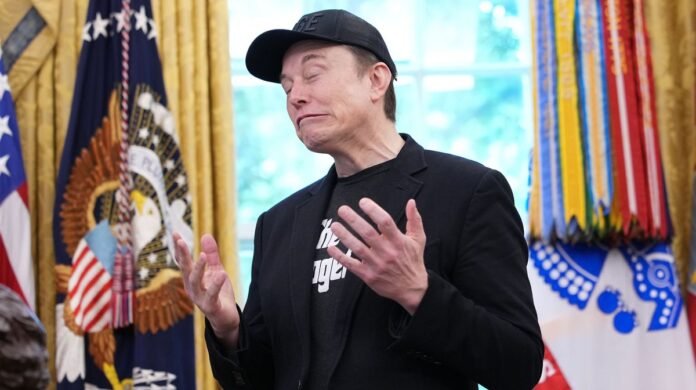

Elon Musk, despite potentially becoming the world’s first trillionaire, may not achieve the respect or affection he desires, according to recent claims. The approval of a significant deal by Tesla’s shareholders could propel the Tesla and SpaceX CEO over the $1 trillion milestone, adding to his estimated wealth of £380 billion. This deal involves a potential payout of nearly $1 trillion (£760 billion) in Tesla shares over the next decade, contingent on the company meeting ambitious targets such as a substantial increase in market value, selling a million self-driving Robotaxis, and developing humanoid robots.
The idea of one individual, particularly someone as controversial as Mr. Musk, receiving such a colossal sum has sparked immediate criticism. Critics argue that a trillion-pound pay package for Elon Musk is not just excessive but emblematic of broader societal issues, particularly in a time of growing inequality and economic challenges. The potential payout, equivalent to the economy of Poland, follows Mr. Musk’s achievement of surpassing $500 billion in personal wealth.
While some view Mr. Musk’s pay package as a remarkable business development, others express concern over the implications of such extreme wealth concentration. The controversy surrounding Mr. Musk, from his involvement in politics to his unconventional personal life, has led to mixed reactions. Tesla shareholders are hopeful that Mr. Musk will refocus on the company amid concerns about declining sales, political controversies, and increased competition in the automotive industry.
If Elon Musk attains trillionaire status, he would far surpass other wealthy individuals, including Larry Ellison and Jeff Bezos. The approval of his pay deal underscores broader debates about wealth distribution and the nature of capitalism in today’s society.