
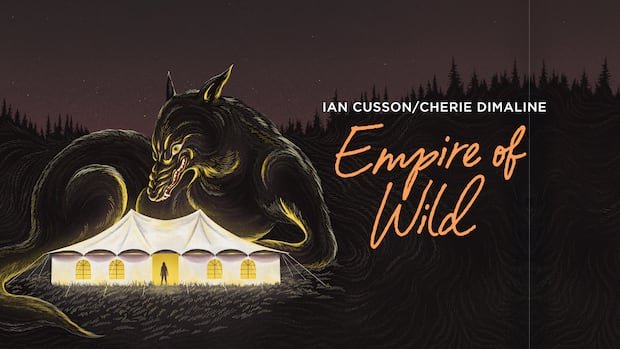

In the novel “Empire of Wild” by Cherie Dimaline, a saga unfolds as three generations of women endeavor to rescue their loved one from the clutches of the werewolf-like Rogarou. Their mission is to bring back a missing husband and safeguard their territory from corporate encroachment. The narrative, characterized by its raw, alluring, and intense nature, earned the prestigious title of Indigo’s top book in 2019, surpassing renowned works such as “The Testaments” by Margaret Atwood and “Daisy Jones & The Six” by Taylor Jenkins Reid.
A substantial investment of approximately $4 million is currently underway to assemble an Indigenous-led creative team tasked with transforming the novel into an opera. The world premiere is slated for next spring in Toronto. This bold endeavor aims to attract a younger demographic and opera novices, challenging traditionalists who favor the conventional repertoire.
Set in the Métis community of Penetanguishene, Ontario, where author Cherie Dimaline hails from, “Empire of Wild” resonates with composer Ian Cusson, also a native of the area. Cusson drew inspiration from the stories his mother shared, recognizing elements of the Rogarou in Dimaline’s work. Emphasizing the contemporary relevance of the narrative, Cusson expressed the opera’s capacity to embrace stories that mirror present-day experiences, transcending historical and geographical boundaries.
The collaborative efforts of Cusson and Dimaline aimed to craft relatable modern characters for contemporary audiences. They introduced diverse elements, including queer characters and a working-class family navigating extraordinary circumstances. The libretto includes colloquial language, incorporating profanity and humor, a departure from conventional opera conventions.
Leading the production is Innu soprano Elisabeth St-Gelais, portraying the protagonist Joan. St-Gelais, having immersed herself in the novel, identifies with the complexities of her character, particularly in coping with personal struggles. The narrative delves into themes of power, resistance, and resilience, highlighting the importance of intergenerational support along matrilineal lines.
Infused with Indigenous storytelling traditions, “Empire of Wild” showcases a diverse cast embodying characters rooted in Métis folklore. The opera underscores themes of survival and resistance, reflecting the enduring spirit of Indigenous communities. The collaboration of Indigenous artists amplifies authentic narratives that resonate with a broad audience.
An innovative approach to artistic creation, guided by Indigenous perspectives, defines the opera’s production. The inclusive process, championed by creative talents such as Cree costume designer Jeff Chief and Algonquin director Yvette Nolan, fosters a sense of equality and value for all contributors. Composer Ian Cusson envisions this model as a blueprint for future opera productions, advocating for a holistic and inclusive approach to artistic expression.