
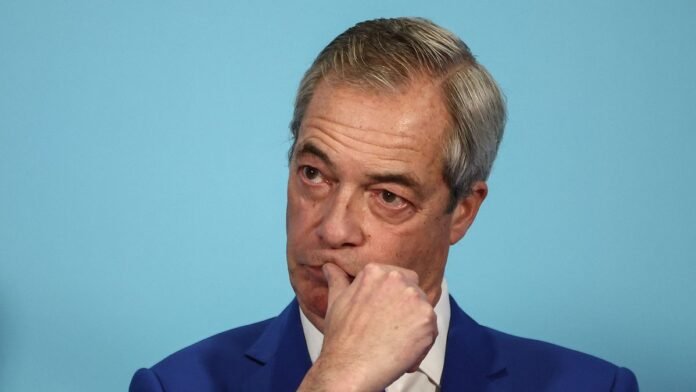

Labour MP Rachel Reeves has criticized the Conservative Party and Reform UK for their stance on the government’s move to eliminate the controversial two-child benefit limit. Chancellor Kemi Badenoch stated that the Tories would reinstate the policy, which has been linked to keeping children in poverty, while Reform leader Nigel Farage voiced opposition to the changes.
In an interview with The Mirror before presenting the legislation to abolish the policy, Reeves expressed concern over the Tories and Reform UK rejecting the initiative, despite the majority of affected families being working households. She highlighted the detrimental impact of child poverty on society and criticized Farage for his conflicting stance, questioning the consistency of Reform’s policies.
Labour leader Keir Starmer cautioned against the potential consequences of the Conservative and Reform UK plans, warning that reintroducing the two-child limit could push hundreds of thousands of children back into poverty. Labour’s analysis indicated that the Tory proposal would plunge 470,000 children back into poverty, while Reform’s adjustment would only benefit a fraction of affected children.
Starmer emphasized Labour’s commitment to lifting nearly half a million children out of poverty, contrasting it with the regressive approach of the Tories and Reform. He underscored the importance of prioritizing children’s well-being and economic stability, condemning the potential impact of the proposed changes on future generations.
Reeves previously announced the intention to eliminate the two-child benefit limit, aiming to uplift 450,000 children from poverty, a move applauded by child poverty advocates. She dismissed calls for binding targets on child poverty, arguing that such measures could restrict future government actions.
The Chancellor highlighted the vulnerability of key social welfare policies if not safeguarded by a Labour government, emphasizing the significance of voting for policies that prioritize children’s welfare and socioeconomic security. Reeves stressed the tangible impact of political decisions on children’s living conditions, emphasizing the disparity between major political parties in addressing social issues.