
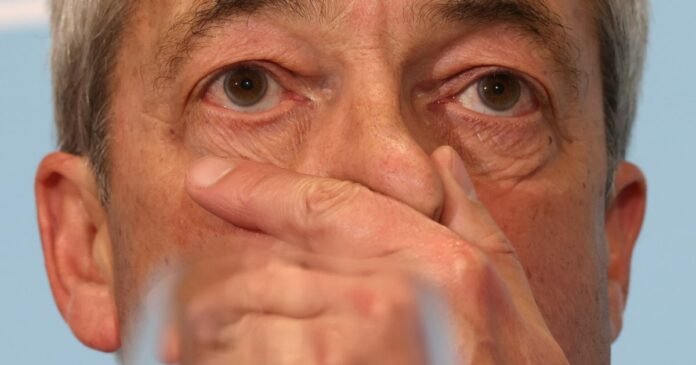

Amid the recent Budget announcement by the government, fresh controversy has arisen involving Nigel Farage. Former schoolmates of Farage have come forward with disturbing claims of his alleged use of offensive and racist language during his time at Dulwich College, with specific details not disclosed.
Farage, the leader of Reform, astonishingly downplayed these accusations as mere “playground banter” when questioned by reporters. This response, coming from a prominent political figure, is both insensitive and troubling.
Reflecting on my past role as Chair of the Jewish Labour Movement before entering Parliament, where I collaborated with Keir Starmer to combat antisemitism within the Labour Party, it is evident that the fight against racism continues to be a pressing moral imperative in our society.
The rise of antisemitism and other forms of racism poses a significant challenge that requires collective action. Public figures like Farage, who have a history of promoting conspiracy theories and targeting minority groups, must be held accountable for their words and actions due to the real-world impact they can have.
Keir Starmer recently visited a synagogue to hear firsthand accounts from individuals affected by antisemitism, emphasizing the importance of understanding and addressing these issues. In contrast, Farage’s Reform appears to thrive on division and discord, perpetuating feelings of alienation among affected communities.
With a focus on empowering young individuals, the Budget allocated over £1.5 billion to support employment and educational opportunities for youth. Labour’s ‘Youth Guarantee’ initiative offers eligible 18- to 21-year-olds paid work placements, while apprenticeship training for under-25s at small and medium enterprises will be made free of charge.
Labour’s commitment to nurturing the potential of all young people highlights a dedication to creating a more inclusive and prosperous future for the next generation of innovators and entrepreneurs.
While distractions like reality TV entertain us, the spotlight this week remains on real-life events, including the legal troubles of Nathan Gill, a former close associate of Farage implicated in accepting pro-Russia bribes. Farage’s alleged sympathies towards Putin’s regime raise concerns about the integrity of his party members.
As the political landscape unfolds, personal allegiances, such as the contrasting football loyalties between individuals like Keir Starmer and myself, are set aside in favor of a shared commitment to advancing the values of the Labour Party.