
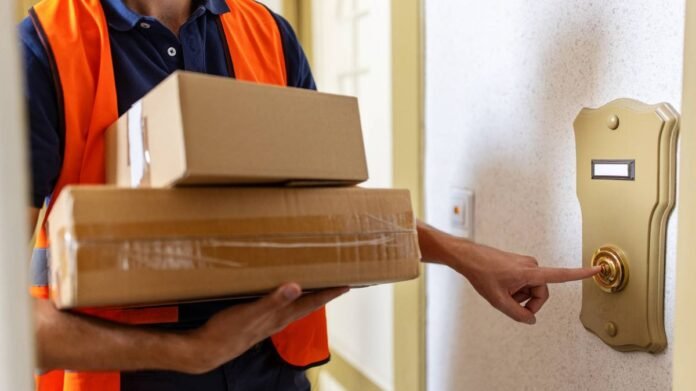

In the UK, various issues can be quite infuriating, such as potholes, bin collections, self-service checkouts, and chatbots. However, one topic that consistently arises in conversations across the country is the performance of package delivery services. Instances of parcels being left in inappropriate places or mishandled, leading to missing deliveries or damaged goods, have become common grievances among consumers.
As the peak season for online shopping approaches, it is essential to understand your rights concerning package deliveries. In case your parcel is lost, damaged, or missing, the crucial step is to contact the retailer who sold you the item, rather than the courier company. Your contract is with the retailer, making them responsible for ensuring the goods reach you as advertised, providing refunds or replacements if necessary.
While the onus is on the retailer, delivery companies must also uphold their service standards. Persistent issues like damaged or lost parcels can result in financial repercussions for the retailer, prompting them to take action against the courier. Retailers have options to address common problems like lost or damaged packages, including deciding whether to send replacements or issue refunds, and managing the tracking process with the courier.
In the past, some online retailers might have dismissed claims regarding inexpensive items, but the prevalence of scammers has led to stricter return policies. Consumers may now be required to return damaged goods or drop them off at designated locations for inspection. As shopping rights are protected by laws like the Consumer Rights Act, retailers must adhere to regulations and handle disputes accordingly.
Issues often arise when parcels are left in designated “safe spaces” without explicit consent from the recipient, leading to potential losses or disputes. Despite guidelines that parcels should be handed directly to recipients, delivery companies sometimes opt for convenient drop-off locations, risking misplacements. Consumers should verify any preset delivery instructions before making purchases to avoid confusion.
Complaints regarding proof of delivery, including fake signatures and unreliable photos, have increased in recent years. Disputing such cases requires vigilance and requesting additional evidence when necessary. Couriers rushing off after leaving a parcel unattended do not necessarily constitute successful delivery, emphasizing the importance of verifying receipt.
While delivery companies are regulated by Ofcom, contacting them for complaints can be challenging, especially for recipients. Despite new rules mandating easy access to customer service, the process remains cumbersome. Additionally, concerns have emerged regarding online marketplace transactions, with buyers and sellers encountering issues related to returns and delivery discrepancies.
To mitigate disputes in online marketplaces like eBay, strict adherence to delivery and returns policies is crucial. Sellers must follow postage instructions diligently to prevent fraudulent claims from buyers. Understanding the buyer/seller dispute policies and documenting the shipping process can help safeguard transactions and prevent misunderstandings.
In conclusion, clarity, adherence to policies, and effective communication between retailers, delivery companies, and consumers are vital for ensuring smooth and reliable package deliveries.