
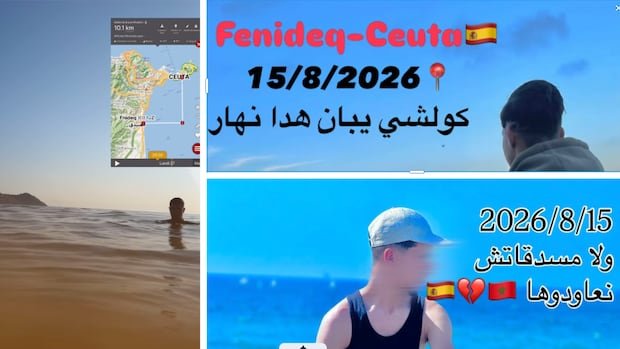

In the lead-up to the recent significant influx of migrants into Europe, a brief video shared on Instagram gained 1.4 million views. The video depicted a young man partially submerged in water with a map showing a sea route from Fnideq, Morocco, to Ceuta, a Spanish enclave. The post, hinting at arrival, was part of a series of viral social media content across platforms like Instagram and TikTok that seemed to fuel two waves of irregular migration from Morocco to Ceuta. The most recent attempt on August 15 resulted in numerous arrests.
Various online communities, focusing on migration-related culture such as music and memes, were linked to the dissemination of misinformation that played a role in directing migrants towards Ceuta. The content shared by these accounts appeared to exploit the aspirations of African and Middle Eastern youth seeking better opportunities abroad.
While there is debate surrounding whether a single entity orchestrated the events in Ceuta or if migration was utilized for political purposes, it is evident that misinformation, amplified through multiple online channels, influenced the migration movements witnessed this summer.
A visual investigations team, in collaboration with Bellingcat, identified numerous social media accounts, particularly on Instagram, that were active prior to the first wave on July 30. The surge in posts was triggered by false information suggesting that a Spanish court ruling allowed migrants arriving by sea to enter the country. This led to a massive influx of over 72,000 people crossing the border, causing turmoil in Ceuta and sparking a political crisis in Europe.
Despite the majority of migrants returning to Morocco after the initial crossing, around 5,000 individuals remain in Ceuta, with some living on a beach with assistance from charitable organizations. Tragically, nearly 100 individuals lost their lives attempting the crossing.
The online campaigns preceding the migration events leveraged social media platforms to direct individuals towards WhatsApp groups for coordination and guidance on reaching Ceuta. Some posts even offered specific advice on where and how to cross the border.
Following the incidents, Meta and TikTok agreed to fact-check posts to prevent criminal exploitation of migrants through misinformation. Subsequently, a new wave of posts emerged ahead of August 15, promoting it as another opportunity for entry into Spain. The recurrence of similar accounts from the July 30 event indicated a continued effort to mobilize migrants, with new accounts appearing in the days leading up to August 15.
The surge in online activity was fueled by the successful migrations to Ceuta prior to the court ruling, according to the Mixed Migration Centre. The rise in migration through Ceuta as a primary entry point into Spain, coupled with stricter controls on other routes, contributed to the misinformation campaigns circulating on social media.
The global context of high youth unemployment and limited opportunities in regions like North Africa intensified the impact of migration-related messaging across social media platforms. The accounts identified in the investigations often reflected the disillusionment and desperation prevalent among the youth in these regions, using aspirational content to promote migration.
Accounts originating from North African countries, including Morocco and Algeria, as well as reports linking some to Italy and Turkey, showcased images and messages encouraging migration to Europe without explicitly offering services for travel. The emotional appeal of leaving for Europe resonated with many individuals facing socio-economic challenges and seeking better prospects abroad.
The engagement with these posts highlighted the profound desperation felt by many individuals, emphasizing the need for addressing the root causes of migration beyond the influence of social media content.