
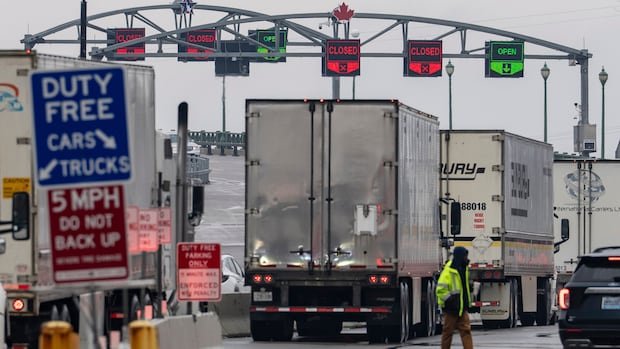

Enforcement of cross-border cargo regulations has significantly increased during the Trump administration, causing delays and higher costs for shippers. Industry experts note a rise in freight inspections and penalties, reflecting a more protectionist stance in the United States.
Breanna Leininger, overseeing U.S. operations at Pacific Customs Brokers in Vancouver, described the substantial changes. The volume of documentation required by border officials for shipped goods has multiplied by ten compared to previous years. This stricter scrutiny now occurs more frequently, with customs delving deeper into product classifications and trade agreements.
Importers are now tasked with providing extensive paperwork, including labor and manufacturing records, to demonstrate compliance. The demands for proof are evolving constantly, making it challenging for businesses to keep up.
Data reveals the intensified enforcement measures. U.S. Customs and Border Protection audits are projected to increase by 26% compared to the previous year. In the first half of this year, customs authorities collected $70.6 million US in trade penalties, showing a significant surge from previous years.
This heightened enforcement coincides with an escalating trade conflict between Canada and the U.S., resulting in additional tariffs imposed by both sides. The delays at the border and the increased paperwork lead to higher costs and, in some cases, discourage cross-border trade.
The complexities of the current trade environment have posed challenges for many businesses, with some finding it too overwhelming to navigate. U.S. Customs and Border Protection emphasized the importance of importers providing accurate information to ensure compliance with regulations.