
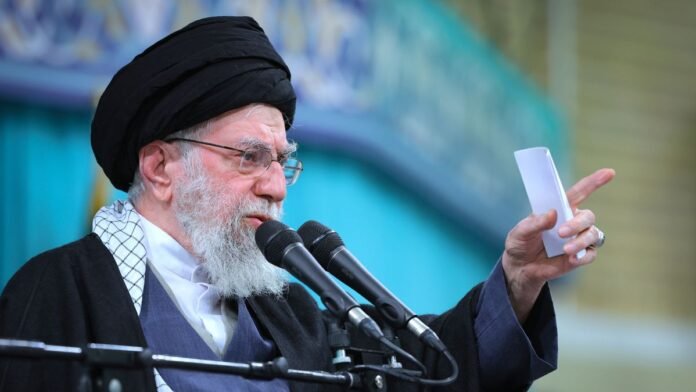

The US President, Donald Trump, initially increased pressure on Iran by expressing support for protesters and halting executions. Recently, Trump shifted focus towards urging Iran to abandon its nuclear aspirations, claiming success in previous bombing operations conducted in June.
The sudden deployment of a substantial military force towards Iran raises questions about Trump’s intentions to potentially target the Tehran regime. Previous presidents had avoided addressing the Iran issue due to its complexity, despite pressure from Israel.
Presently, Iran appears more vulnerable to a large-scale assault than in previous decades, as its proxy groups like Hamas and Hezbollah have weakened. The conflicts involving these groups have left Tehran exposed, presenting a unique opportunity for a significant military strike.
The Pentagon has continuously revised its war strategies against Iran, including plans for naval and aerial bombardments to prevent Iran from obtaining nuclear capabilities. While regime change has been a consideration, the involvement of Hamas and Hezbollah made such actions challenging in the past.
Israel has long sought Western support to dismantle the ruling authorities in Iran due to its history of terrorism support and harboring fugitives. Israeli intelligence has targeted key Iranian figures and disrupted the nuclear program, aiming to maintain strategic attacks and espionage operations rather than full-scale confrontations.
Recent protests in Iran, driven by economic hardships and human rights concerns, have further weakened the regime’s standing. The diminishing influence of Iran’s proxy groups suggests a potentially reduced retaliatory response to any military action. Trump may view the current circumstances as an opportune moment to confront Iran and bring an end to its current regime.