

The ongoing Covid-19 Inquiry has sparked renewed discussions regarding the efficacy and implications of lockdown measures.
Numerous analysts are selectively extracting quotes from the extensive 760-page report to align with their existing viewpoints. Yet, the central conclusion of the largest public inquiry in British annals remains unequivocal – the absence of lockdowns would have resulted in a level of loss of life deemed intolerable and unacceptable, with the National Health Service facing overwhelming challenges.
Baroness Heather Hallett, the chair of the inquiry, highlighted the potential avoidance of full national lockdowns had proactive measures been taken. The imposition of such stringent measures was necessitated by the government’s inaction during the pandemic, led by Prime Minister Boris Johnson, known for his libertarian stance.
At the onset of the pandemic in 2020, China swiftly implemented strict lockdowns in Wuhan and other regions, a move initially viewed with skepticism by Western leaders. This skepticism, coupled with a failure to adopt preventive measures, eventually led to the inevitability of lockdowns in the UK.
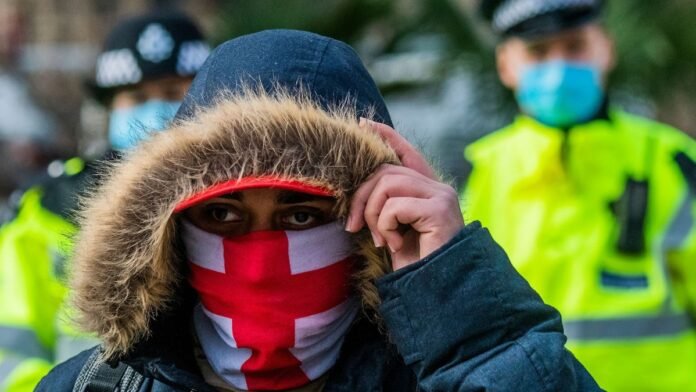
Lady Hallett emphasized the government’s delayed implementation of milder, sustainable measures like contact tracing, self-isolation, and face coverings, which could have curbed the virus spread. She contended that earlier enforcement of restrictions short of a full lockdown could have potentially reduced the duration or even averted the need for lockdown altogether.
Critics of lockdowns often resisted basic preventive measures like mask-wearing and social distancing, actions that could have forestalled the need for stringent lockdowns. Regrettably, the leadership at Downing Street, notably Prime Minister Boris Johnson, exhibited a lax attitude towards these precautions, exemplified by his public endorsement of handshaking during a critical stage of the pandemic.
The inquiry report underscored the premature easing of restrictions in England in July 2020, despite scientific advisories cautioning against the heightened risk of infections and the strain on testing and tracing systems. This hasty approach increased the likelihood of a subsequent lockdown, highlighting the repercussions of premature relaxation of measures.
The inquiry’s expansive scope underscores the importance of deriving meaningful lessons from past mistakes rather than succumbing to the hypocrisy of those who inadvertently contributed to the necessity of lockdowns.