
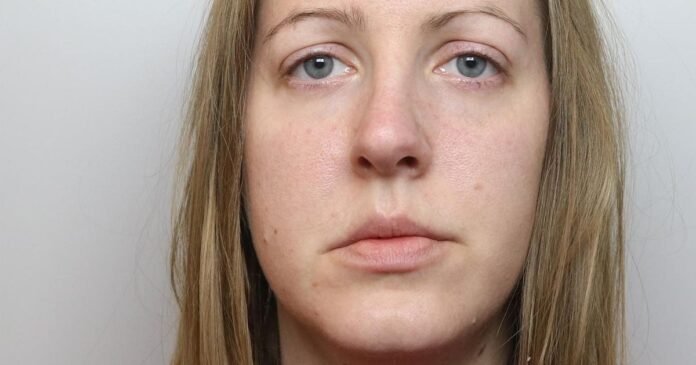

Serial killers have historically been predominantly male, but female serial killers have also left a significant mark on British history. While the majority of serial killers are male, research indicates distinct differences in the modus operandi of male and female perpetrators, often allowing female serial killers to avoid detection. Studies show that male serial killers are nearly six times more likely to target strangers, whereas female serial killers are almost twice as likely to victimize individuals they know.
It is noted that a significant percentage of male serial killers engaged in stalking their victims before committing the crimes, in contrast to female serial killers who had a much lower rate of pre-victimization behavior. The motivations and methods employed by these killers vary greatly, with female serial killers in British history being responsible for some of the most shocking and heinous acts.
Associate Professor of Psychology, Marissa Harrison, from Penn State University, suggests that traditional gender roles may influence how male and female serial killers select their victims. Harrison’s research reveals that a high percentage of female mass killers are educated professionals in healthcare, challenging common stereotypes of serial killers. These cases, ranging from historical poisoners to modern-day healthcare workers turned murderers, have had a profound impact on public perception and legal proceedings concerning female violence.
One notorious female serial killer in British history is Mary Ann Cotton, considered the first documented female serial killer. Born in 1832, Cotton was believed to have murdered multiple husbands, children, a lover, and her own mother, profiting from life insurance payouts for each death. Using arsenic poisoning, she managed to kill an estimated 21 individuals, exploiting the accessibility of arsenic in household products. Cotton’s crimes went undetected for an extended period due to societal norms and prevalent child mortality rates.
Another infamous female serial killer, Myra Hindley, along with her partner Ian Brady, committed a series of child murders known as the Moors Murders in the 1960s. Hindley’s involvement in these heinous crimes challenged the perception of female capacity for extreme violence, as she actively participated in abductions, sexual assaults, and murders. Despite the differences in male and female serial killers’ behaviors, Hindley’s actions broke the stereotype of women being incapable of committing brutal acts.
Rose West, in partnership with her husband Fred West, perpetrated gruesome crimes that shocked Britain, involving the rape, torture, and murder of multiple young women and girls, including family members. Born in 1953, Rose West’s troubled upbringing and potential prenatal injuries contributed to her violent tendencies, leading to a trail of victims hidden beneath her residence. While Fred West took his own life before facing trial, Rose was convicted and sentenced to life imprisonment, highlighting the extent of their depravity.
Beverly Allitt, a paediatric nurse, committed multiple murders and attempted killings of children while working at a hospital in the early 1990s. Her actions, involving injecting patients with lethal substances, raised alarms within the medical community and led to significant changes in hospital safety protocols. Diagnosed with a serious mental health condition, Allitt’s case underscored the need for improved monitoring and safeguards in healthcare settings.
Recent cases, like that of Lucy Letby, serve as a reminder that female serial killers are not confined to historical accounts. Letby’s conviction for murdering infants during her work as a neonatal nurse highlights the ongoing threat posed by individuals in positions of trust. Public inquiries and judicial proceedings following such cases aim to prevent similar tragedies and enhance safety measures in critical institutions.
Female serial killers, though less common, have left a lasting impact on British society, shaping policies and public perceptions surrounding violent crimes. Despite being underestimated in terms of their potential for harm, female perpetrators have proven capable of committing brutal acts, emphasizing the need for vigilance and awareness in addressing all forms of criminal behavior.