
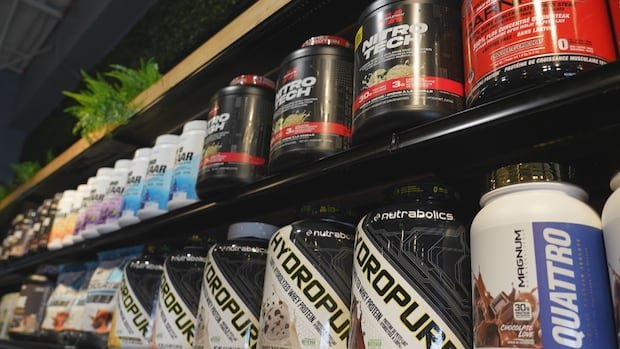

Jennifer Mason has been incorporating whey protein powder into her diet for years to increase her protein intake. However, the recent surge in prices has left her surprised and reconsidering her purchases as a new mother with mounting expenses.
In response to increasing demand, food manufacturers and fast-food chains are including whey protein in various products, leading to shortages and price spikes. This situation is exacerbated by the ongoing U.S.-Canada trade tensions, which are driving up costs and potentially impacting consumers.
The trend of protein-infused foods is evident in a wide range of products, from snacks like chips and Pop-Tarts to celebrity-endorsed items like Khloé Kardashian’s protein popcorn. Major brands are tapping into the health-conscious consumer market by adding whey protein to their offerings, aligning with the protein-maxxing trend promoted by fitness influencers and individuals using weight-loss medications like Ozempic.
John Murray, the marketing manager at Daryl’s Bars, a protein snack company in Tecumseh, Ont., highlights the challenges faced by smaller businesses in securing sufficient whey protein amid heightened demand and rising prices. The reliance on imports from the U.S., where prices have surged, further complicates the situation for Canadian businesses like Daryl’s Bars.
The impact of the trade war is palpable, with the Canadian government imposing tariffs on American whey imports, leading to even higher prices for businesses. The tariff-remission program offers some relief, but businesses must demonstrate the necessity of imported goods. However, boosting whey protein supply is a complex process due to its production as a byproduct of cheese-making, requiring specialized equipment and significant costs.
As prices continue to rise, consumers may face increased costs for protein products in the foreseeable future. Some individuals, like Audrey Marcoux, are willing to absorb the additional expenses due to their workout routines, while others, like Nathan Bugiardini, are considering cost-cutting measures. Amidst the price hikes, some consumers are exploring plant-based alternatives and whole foods as substitutes for whey protein to mitigate the financial strain.