

Canadian negotiators are concerned about the impending new U.S. tariffs set to take effect on Wednesday. Ottawa is facing challenges in persuading Washington to lift existing sectoral tariffs and convincing provinces to remove restrictions on American alcohol. Negotiations between Canada and the U.S. have been ongoing, with Trade Minister Dominic LeBlanc meeting with U.S. Trade Representative Jamieson Greer multiple times in recent days. Ottawa’s objective is to secure a comprehensive agreement with the U.S., which includes dropping the new 50% tariffs on nearly $28 billion worth of Canadian goods and reducing existing sectoral tariffs on industries such as steel, aluminum, auto, and lumber.
The Trump administration’s demand for the resumption of U.S. alcohol sales in Canada has become a critical point in the negotiations. However, disagreements persist as the U.S. has not shown willingness to significantly decrease current sectoral tariffs. Some provinces are reluctant to lift their alcohol bans unless there is relief on tariffs affecting their sectors, complicating the negotiation process. Provinces have been informed that Canada may need to make concessions on issues raised by the U.S., such as provincial bans on American alcohol, dairy import quotas, and retaliatory tariffs on U.S. autos.
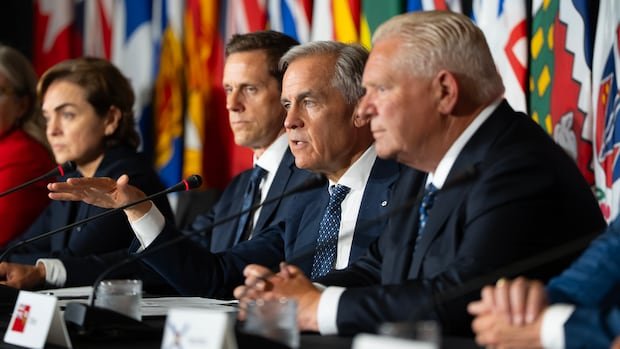
The involvement of provinces is crucial as they hold the authority to end alcohol boycotts, making it challenging for Ottawa to enforce changes unilaterally. Various provinces have differing stances on lifting alcohol bans, with only Alberta and Saskatchewan resuming U.S. booze sales. Moving forward, resolving disputes related to dairy and softwood lumber tariffs remains a contentious issue in the trade negotiations.
The urgency of reaching a consensus is emphasized, as the U.S. appears unwilling to extend the tariff deadline. The Trump administration’s strategy of creating divisions between Ottawa and the provinces poses a significant obstacle to reaching a unified agreement. The importance of a cohesive approach among federal, provincial, and territorial governments has been highlighted in discussions, emphasizing the need for unity in negotiating with the U.S. Despite efforts to bridge the gaps, uncertainties remain about the possibility of not reaching a deal before the tariff deadline.