
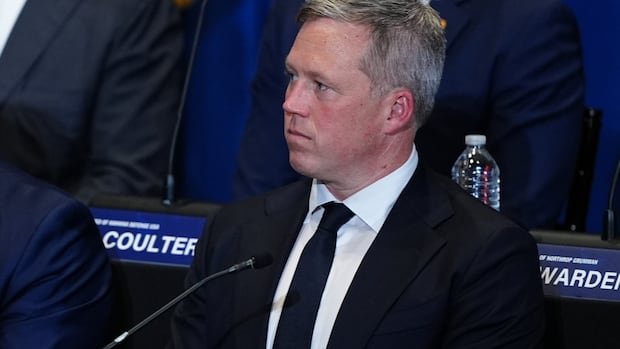

The White House announced on Monday that U.S. Army Secretary Dan Driscoll is resigning after serving for 18 months. His departure is part of a series of changes in top military leadership during President Donald Trump’s second term. While no specific reason was provided for Driscoll’s resignation, reports suggest tensions with Secretary of War Pete Hegseth played a role.
According to White House spokesperson Anna Kelly, Driscoll was commended for his effective leadership in advancing President Trump’s military agenda, focusing on readiness, lethality, and contributing to diplomatic efforts between Russia and Ukraine. The announcement follows a string of high-profile exits in the military, including Navy Secretary John Phelan and Gen. Randy George, who was replaced by Gen. Christopher LaNeve under Hegseth’s direction.
Driscoll, an Iraq war veteran and tech investor, was appointed as army secretary in 2024, with Trump praising him as a “disruptor and change agent.” He played a key role in negotiations between Russia and Ukraine and advocated for streamlining processes for military contractors to enhance drone capabilities. The Senate confirmed Driscoll in February 2025 with a 66-28 vote, emphasizing his commitment to improving army systems and supporting soldiers’ needs. Driscoll’s military background includes serving as an armour officer in Iraq from 2009 to 2010.
Despite his resignation, Driscoll’s impact on the army’s modernization efforts and his dedication to soldier welfare have been recognized by both Republican and Democratic lawmakers. Driscoll’s exit signifies a broader shift in the top military leadership landscape, reflecting ongoing changes within the U.S. armed forces.