
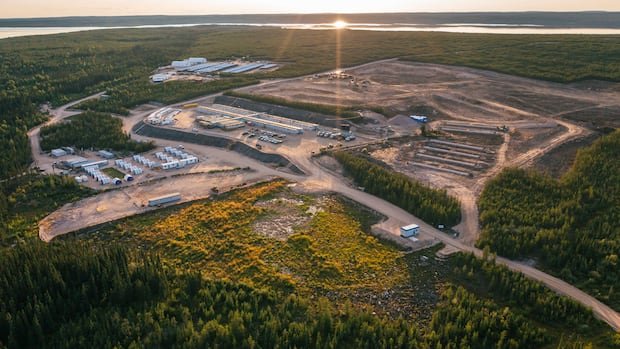

Construction has commenced on a new uranium mine in northern Saskatchewan. NexGen Energy Ltd. is constructing an underground uranium mine in the southern Athabasca Basin, approximately 130 kilometers north of La Loche. The company plans to invest $2.2 billion over the four-year construction period to develop one of the world’s largest new uranium sources.
The groundbreaking ceremony for the mine was held recently, with Premier Scott Moe and former Prime Minister Stephen Harper among the speakers, along with local leaders from Metis Nation-Saskatchewan and Desnethé-Missinippi-Churchill River MP Buckley Belanger. Initial construction activities are focused on surface infrastructure, with shaft development scheduled to commence in 2027. Additionally, the existing 914-meter airstrip is being expanded to 1,780 meters.
NexGen CEO Leigh Curyer reflected on the journey leading to this milestone, mentioning the challenges faced during the early stages of exploration. The discovery of significant mineralization on the site in 2014 marked a turning point, positioning the project as a vital energy resource globally.
The uranium mine is expected to address the escalating demand for electricity, driven by advancements in technology and energy security needs. NexGen anticipates an annual production capacity of up to 30 million pounds of uranium, contributing around 20% to the current global supply.
The Canadian Nuclear Safety Commission granted NexGen a construction license for the mine and mill earlier this year. The company is required to seek an operational license from the commission before commencing full-scale operations. Once operational, the mine is projected to generate 459 full-time jobs and operate for 24 years. Ongoing exploration activities in the vicinity hint at potential future development of nearby uranium deposits.
NexGen has secured agreements with Indigenous communities in the project area, ensuring benefits such as employment opportunities, training programs, and financial support. Premier Scott Moe emphasized the positive impact of the mine on the local economy and community growth, highlighting the importance of responsible resource development.
In a separate development, Denison Mines Corp. is constructing the Phoenix uranium mine and mill site in the eastern Athabasca Basin. The mine, expected to utilize an innovative in-situ recovery method, aims to begin production in 2028 with an estimated initial capital cost of $600 million. Denison plans to operate the mine for 10 years, leveraging its substantial uranium reserves to contribute to the global nuclear energy sector.