
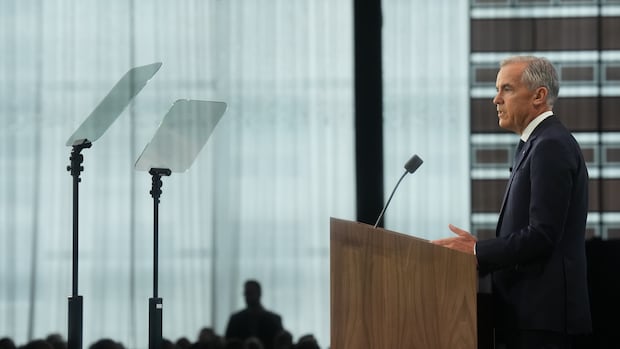

Prime Minister Mark Carney announced that his administration plans to invite private investment into the four largest airports in Canada, while ensuring that the federal government retains ownership of the airport land.
According to the Prime Minister, the government will pursue “long-term concessions” for managing these airports, which include Toronto Pearson International Airport, Vancouver International Airport, Trudeau International Airport in Montreal, and Calgary International Airport.
“The government of Canada will keep ownership of the underlying land and assets, but we aim to realize their full potential by attracting new capital and expertise to enhance their operations and expansion,” Carney stated during his speech at the Canada Investment Summit in Toronto on Tuesday morning.
“We will reinvest the substantial capital we generate, amounting to tens of billions of dollars, into the infrastructure that Canada needs for the future,” he added.
Carney has invited over 100 major global investors to the summit, aiming to secure $1 trillion in financing for approximately 167 projects across Canada over the next five years.

Prime Minister Mark Carney announced a plan Tuesday to seek investment to ‘unlock’ the value of Canada’s four largest airports. Carney, speaking at a major investment summit, provided few specifics but said the government would retain ownership of underlying land and assets.
In a Q&A session after his speech, Carney explained that the government examined how other nations have privatized airports before opting to maintain ownership of the land.
“We benefit from being late to this process because we have observed transactions that did not go well… and we intend to learn from those experiences,” he remarked.
Previous administrations have considered privatizing major airports, but Carney asserted that this initiative will be “different.”
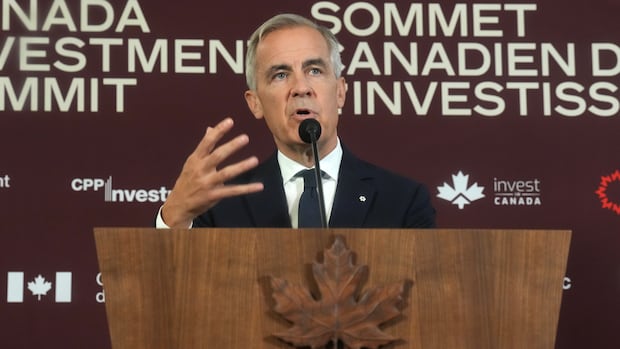
Asked why the Liberal government is choosing to allow private investment in four of Canada’s largest airports now when prior governments rejected the plan, Prime Minister Mark Carney said his government is building the country in a more dangerous, divided and ‘hostile’ environment.
“We are constructing this nation in a more perilous and divided world … we must maintain fiscal discipline,” he told reporters following his address.
“As we pursue this, we need to be judicious in how we utilize our assets.”
The Prime Minister projected that partnerships with private investors could yield “tens of billions of dollars” for public funds.
On Monday night, members of the Liberal caucus convened to discuss airport “modernization,” according to a federal source who spoke to Radio-Canada. The source did not explicitly mention privatization. CBC News has chosen not to identify this source as they were not authorized to comment publicly.
CTV and the Globe and Mail were first to report that the government would announce plans for private investment in airports.
Lease extensions delayed, documents suggest
The government has indicated its intentions to privatize Canada’s airports since the budget announcement in November. The spring economic update in May stated that legislation would be introduced to investigate this possibility.
The federal government currently owns around two dozen major airports nationwide and leases the land to non-profit airport authorities that manage their operations. These lease payments amount to $525 million annually, as reported by the Canadian Airports Council.
The previous year’s budget also indicated that the government aims to extend existing ground lease agreements with airport authorities. A memo from Transport Canada, obtained by CBC News through an access to information request, reveals that the government considers lease extensions essential to “attract more private sector investment on airport lands.”
However, the same memo indicates that there has already been a slowdown in finalizing lease extensions. It mentions that a decision to proceed with negotiations needs to occur by March 2026, or else it could “prolong the lease extension process into several months of 2027.”
- Do you have questions about airport privatization? Send an email to ask@cbc.ca
Transport Minister Steven MacKinnon did not sign the memo until May, more than a month past the intended target date.
Several attendees include Canadian and international pension funds. These funds usually view airports as secure investments, and Canadian pension funds, such as the Canada Pension Plan and Ontario Teachers’ Pension Plan, have previously invested in private airports abroad.
“It’s time to bring that same expertise back home to more directly benefit Canadians,” Carney remarked.
The Canadian Airports Council, representing the major airports in Canada, stated that the current “made-in-Canada airport model has served our country effectively,” but they will engage with the government as the plan progresses.
-
‘Mega’ tax writeoffs, private money for airports: How Carney’s investment summit unfolded
-
From pipelines to railways and AI: Ottawa pitches 167 projects ahead of Carney’s investment summit
“Canada is entering a phase of significant growth, and as air travel is predicted to double in the next decade, our airports will be crucial in facilitating the movement of people and goods required by this growth,” stated president Monette Pasher.
“If the government can unlock new value from federal airport assets, a substantial portion of that value should remain within Canada’s airport system to help develop the infrastructure and technology that Canadians will rely on for years to come.”
John Gradek, a faculty lecturer in aviation management at McGill University in Montreal, indicated that permitting private investments in airports could enhance infrastructure while generating revenue for the government.
“There is a significant amount of money that needs to be invested in Canadian airports because we have been slow to allocate those funds,” he explained.
“At present, the only options available to airport authorities are either through the bond market or through passenger fees.”
Labour congress pans privatization
Conservative Leader Pierre Poilievre expressed a desire to see more details regarding Carney’s airport plan before forming an opinion.
“We want to understand how this will save money for Canadians. If it doesn’t save money, then what is the purpose?” Poilievre stated at a news conference on Tuesday.
Meanwhile, the NDP criticized Carney’s proposal, asserting that “public infrastructure belongs to Canadians.”
“We will not allow Mark Carney to sell our airports, water systems, highways, and more to the highest bidder. The future is for the many, not the wealthy,” the party declared in a statement on X.
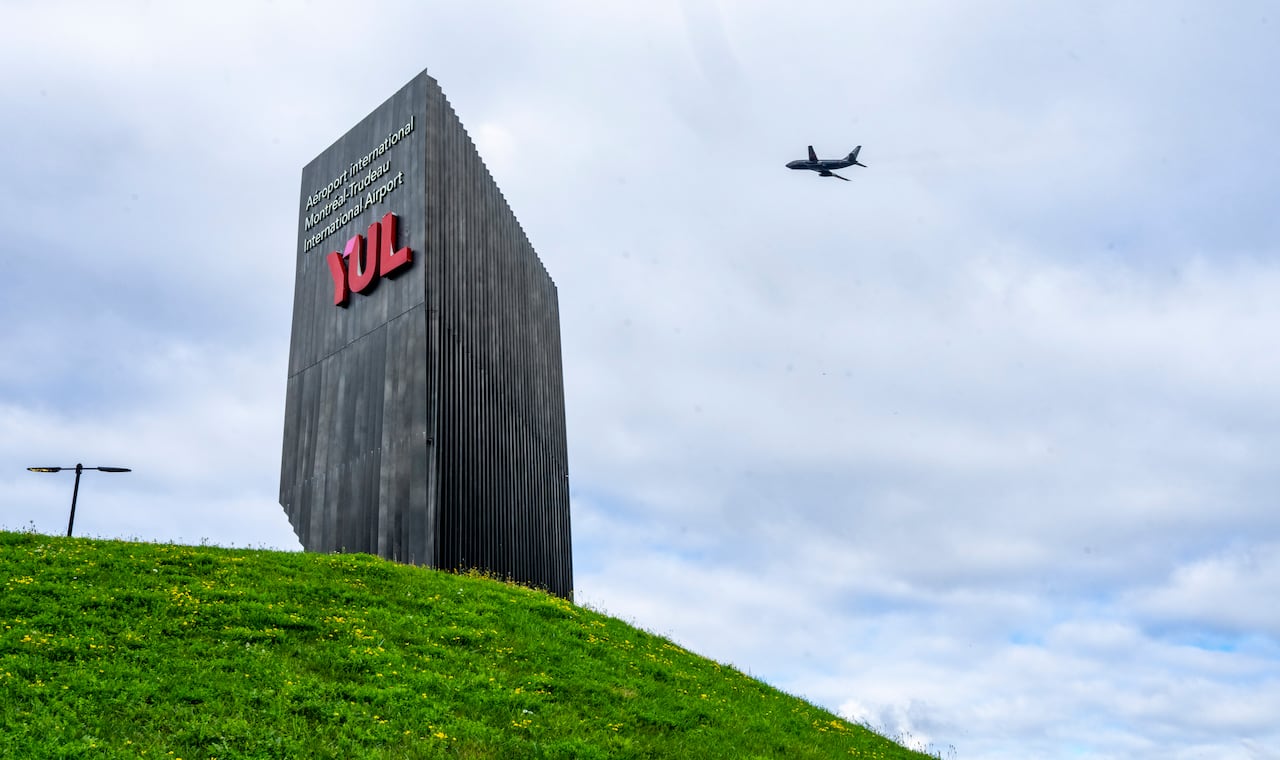
Trudeau International Airport in Montreal is one of the four airports that will be open to private investment. (Christinne Muschi/The Canadian Press)
The Canadian Labour Congress released a statement on Tuesday urging the government to rethink the proposal to allow private investors to manage airports.
“The government cites Australia as its model, yet we have already witnessed the consequences: increased costs for passengers and airlines, pressure on workers, and more airport revenue directed to private investors,” spokesperson Lily Chang noted in the statement.
“At a time of trade tensions, transferring profitable public infrastructure to private investors is a misguided decision.”
Rod Sims, former chair of the Australian Competition and Consumer Commission, previously told CBC News that airport privatization should be accompanied by stricter regulations, including a price cap on airport charges.
Sims’ recommendation is based on Australia’s experiences with airport privatization in the early 2000s, noting that airports in large nations that depend on air travel, such as Canada and Australia, behave almost like monopolies if there are no viable nearby alternatives for flights.
“I can’t express an opinion on whether or not Canada should privatize, but if it does, it should proceed with caution,” he said in an interview last May.