
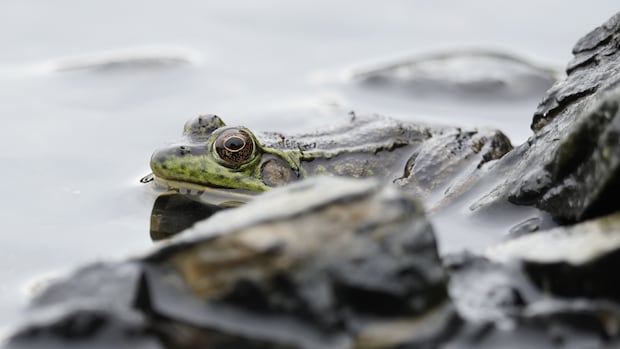

A lethal fungal pathogen that has been devastating amphibian species in various regions globally has now reached Manitoba, although its impact on the Prairies may not be as catastrophic as elsewhere—at least for now.
Initial laboratory findings indicate the presence of Batrachochytrium dendrobatidis, commonly referred to as chytrid, in frogs and toads collected this year in Winnipeg and several locations across western Manitoba, according to Jackie Tran, a graduate student at Brandon University.
Tran remarked, “It took me some time to process that initial shock,” while presenting these recent discoveries at a seminar organized by the Saskatchewan Prairie Conservation Action Plan on Tuesday.
“We are witnessing the same trend that has been documented across the continent. It is widespread.”
Chytrid attacks the immune systems of amphibians, leading to organ failure. It has been linked to significant declines in frog populations in various regions worldwide.
Prior to this, chytrid had been confirmed in most areas surrounding Manitoba, including the Northwest Territories, North Dakota, Minnesota, and northwestern Ontario—specifically in Kenora and Grassy Narrows. Although there was a single detection in Saskatchewan two decades ago, Tran mentioned that uncertainties still exist regarding that instance.
The apparent lack of the pathogen in Saskatchewan and Manitoba does not imply that it has not been present in the Prairie provinces previously.
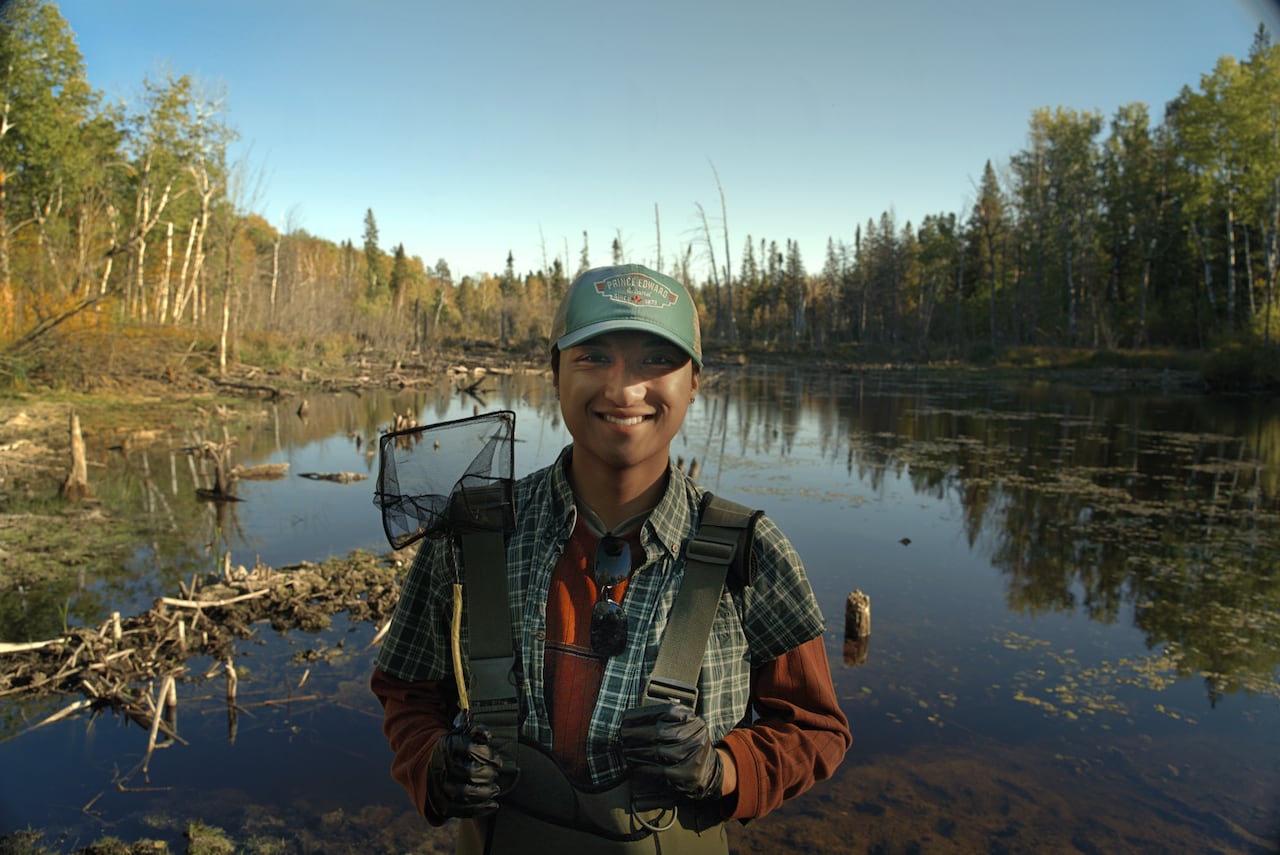
Jackie Tran, a master’s student at Brandon University, next to a wetland in Sandilands Provincial Forest on Oct. 1. (Bryce Hoye/CBC)
Tran stated that his discovery this year underscores a “low surveillance effort” in both provinces, coupled with a scarcity of published or accessible data.
Results from half of the sites he sampled for chytrid in the spring returned positive, indicating that the pathogen may be more prevalent in Manitoba than he initially thought.
-
Researchers probe Prairie wetlands for signs of ‘epidermal epidemic’ in Manitoba frogs, salamanders
-
‘Deadliest disease in all time’ wipes out 90 species of frogs and toads
Tran’s lab analysis detected the pathogen in nearly 15 percent—approximately one in seven—of the 91 frogs and toads he sampled during the spring field season. The species that tested positive included wood frogs, northern leopard frogs, Canadian toads, and boreal chorus frogs.
Chytrid was identified in several locations, including Assiniboine Forest in Winnipeg, Turtle Mountain Provincial Park in southwestern Manitoba, Spruce Woods Provincial Park, Brandon Hills Wildlife Management Area, and another undisclosed site in western Manitoba.
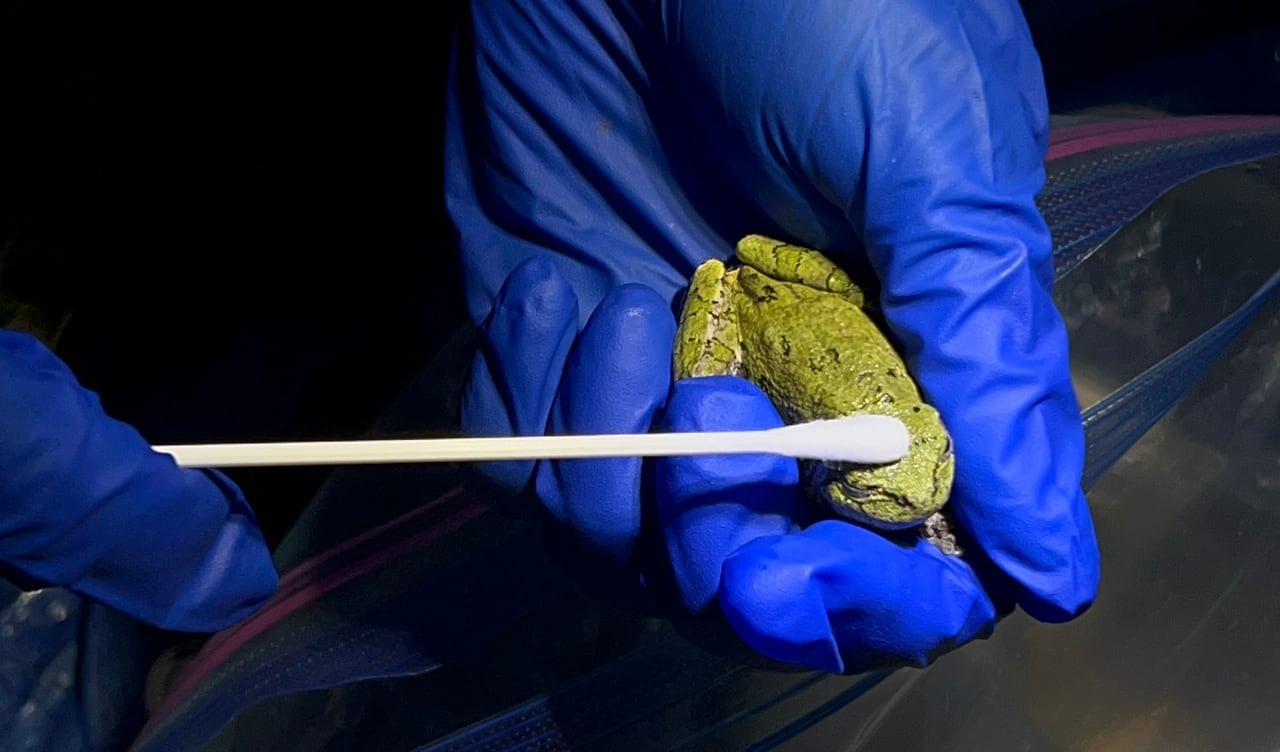
Tran swabs a gray tree frog last spring as part of his research. (Submitted by Jackie Tran)
He is still awaiting results from frogs collected in the Nutimik and Falcon Lake areas.
“Jackie’s surveys are crucial for us to address a significant geographical gap in surveys for [Batrachochytrium dendrobatidis] in Canadian amphibians,” stated Tran’s graduate supervisor, associate professor Pamela Rutherford, in an interview with CBC News on Tuesday.
The symptoms associated with chytrid resemble something from a horror film: the skin thickens, turns white, and ultimately flakes off. This leads to lethargy as organs begin to fail.
However, none of the frogs and toads in Manitoba that were found to carry chytrid exhibited visible signs of infection.
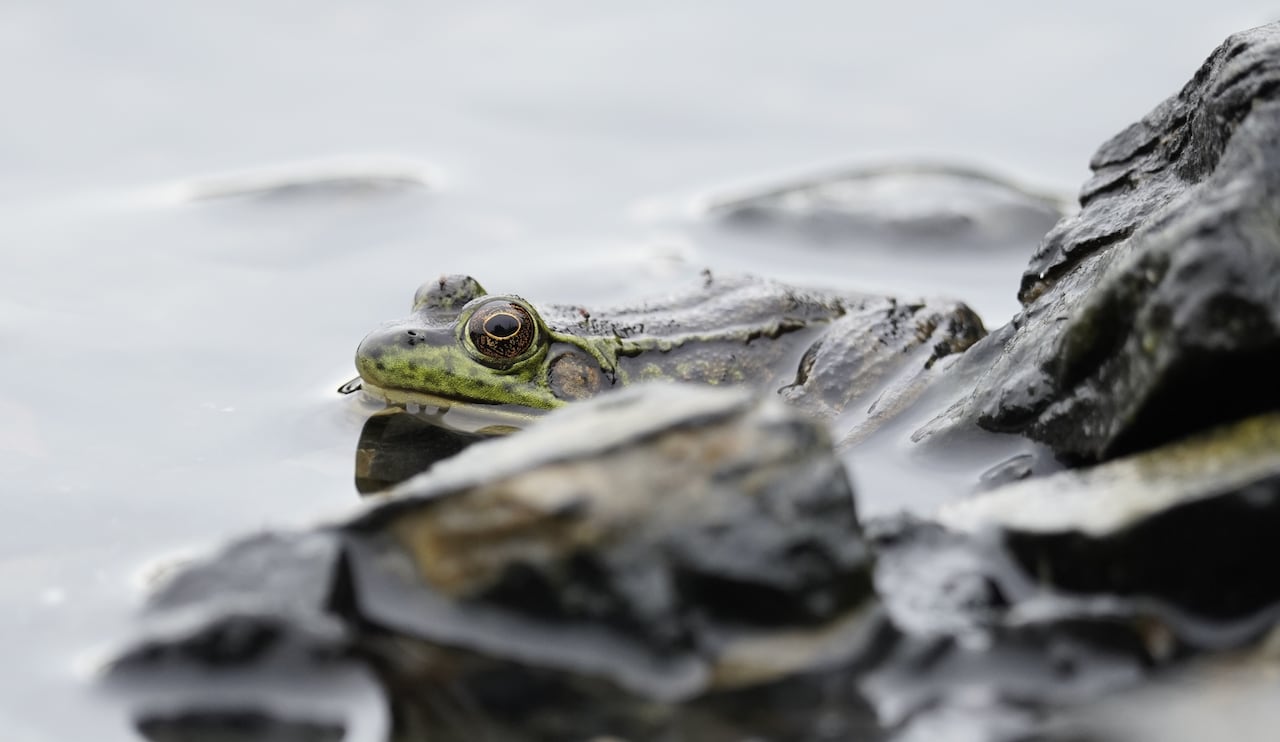
A frog lurks along the edges of a lake near the border of Manitoba and Ontario in September. (Bryce Hoye/CBC)
This trend has also been observed in New Brunswick, Quebec, Ontario, and some regions of British Columbia, where chytrid is present but has not yet led to widespread mortality or illness, according to Lenny Shirose.
Shirose, a wildlife biologist with the Canadian Wildlife Health Cooperative based at the University of Guelph, commented, “We do see isolated cases of animals succumbing to chytridiomycosis, but the extreme symptoms observed in other regions globally are not apparent here so far.”
-
Interest waning in Manitoba reptile, amphibian project, biologist says
-
Frogs are dying and Korea gets the blame
“We must understand the reasons behind this…. Complacency is not an option.”
According to the International Union for Conservation of Nature’s “red list,” a quarter of all freshwater species face extinction worldwide. This list indicates that 41 percent of amphibian species globally are threatened. Disease is believed to be a significant factor contributing to these declines.
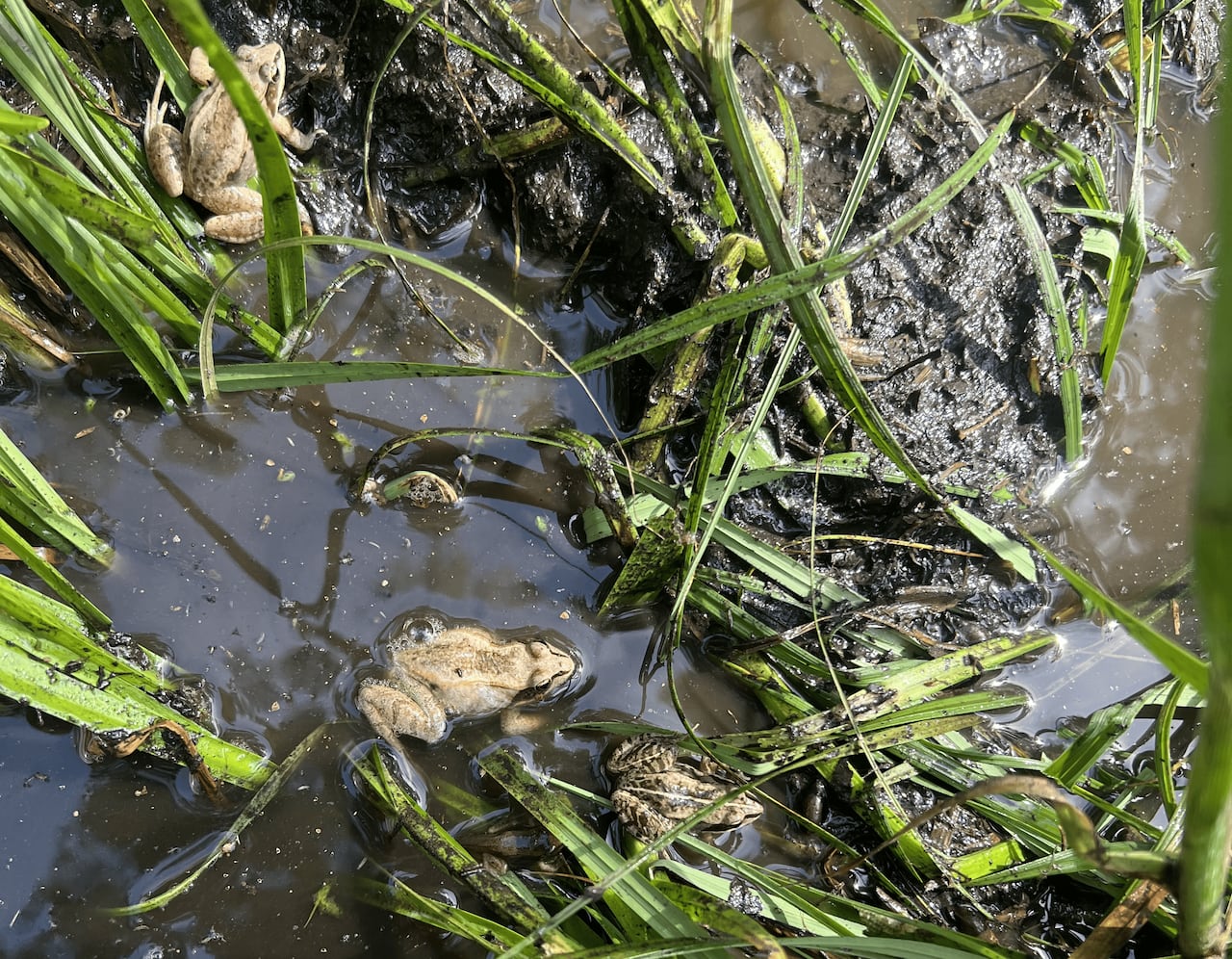
Tran sampled a variety of the 16 amphibian species that call Manitoba home, including wood frogs, such as those shown here in a wetland. (Submitted by Jackie Tran)
The prevailing theory regarding the minimal visible impact of chytrid in Canada is that the strain or strains of the pathogen present in the country may be less virulent, as suggested by Shirose.
However, the emergence of a more potent, rapidly spreading strain could drastically alter the situation, highlighting the need for ongoing research like Tran’s, Shirose added.
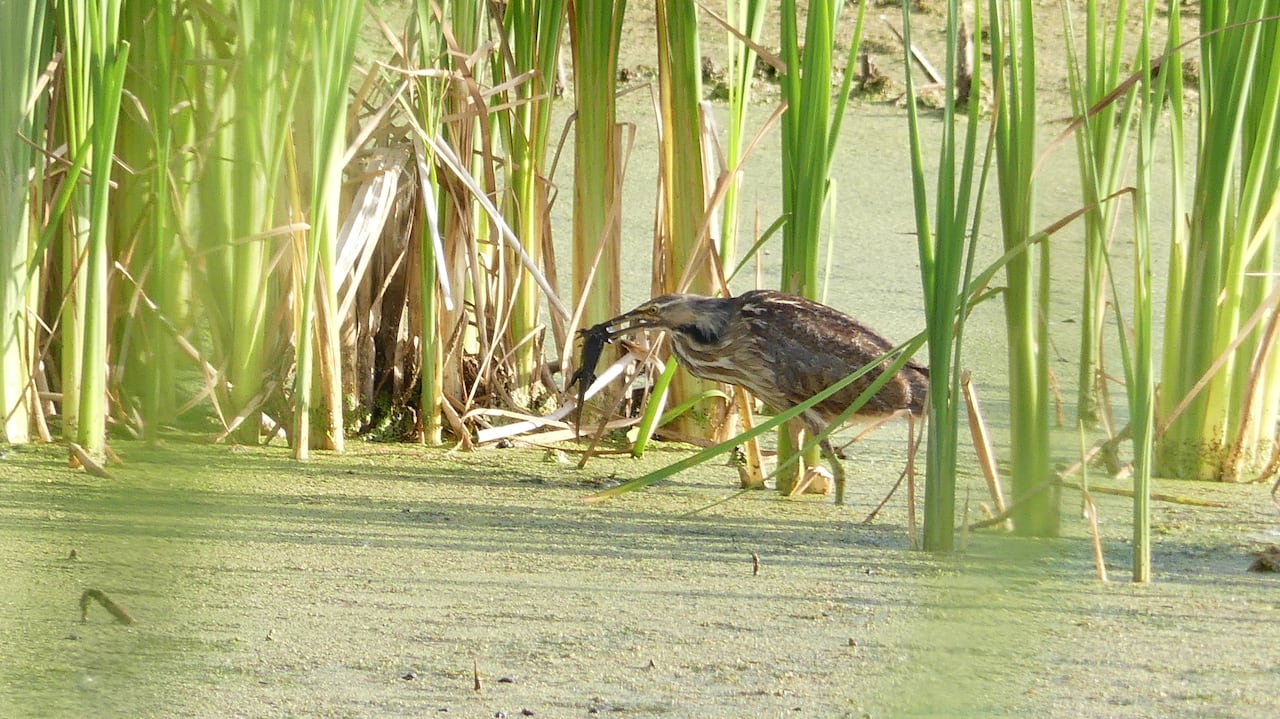
An American bittern eats a barred tiger salamander. (Bryce Hoye/CBC)
“Should that occur, we would need to treat it as if a completely new disease had been introduced and strive to isolate and eradicate it before it establishes itself,” remarked Shirose, who coordinates the Canadian section of the Student Network for Amphibian Pathogen Surveillance (SNAPS).
A collaborative team from the Wilder Institute and Calgary Zoo is conducting field trials indicating that young leopard frogs can be vaccinated against chytrid.
This is promising news, as Tran’s models predict that climate change could accelerate the spread of the pathogen.
“Amphibians and this pathogen are deeply intertwined with their ecological needs; therefore, climate shifts might lead more amphibians and [chytrid] into the same aquatic habitats, raising exposure risks,” he explained.
Tran, Shirose, and other SNAPS participants are engaged in a continent-wide initiative to identify the chytrid strain found in Manitoba, Batrachochytrium dendrobatidis, as well as Batrachochytrium salamandrivorans.
The latter strain has been devastating salamander populations in Europe, raising concerns that it could spread to North America.
To effectively respond to either strain, it is crucial to identify their locations. However, this is challenging without a long-term surveillance program at the provincial level.
“Our current surveillance coverage is below both federal and North American standards. To address this, increased interest in this research is essential,” Tran stated.
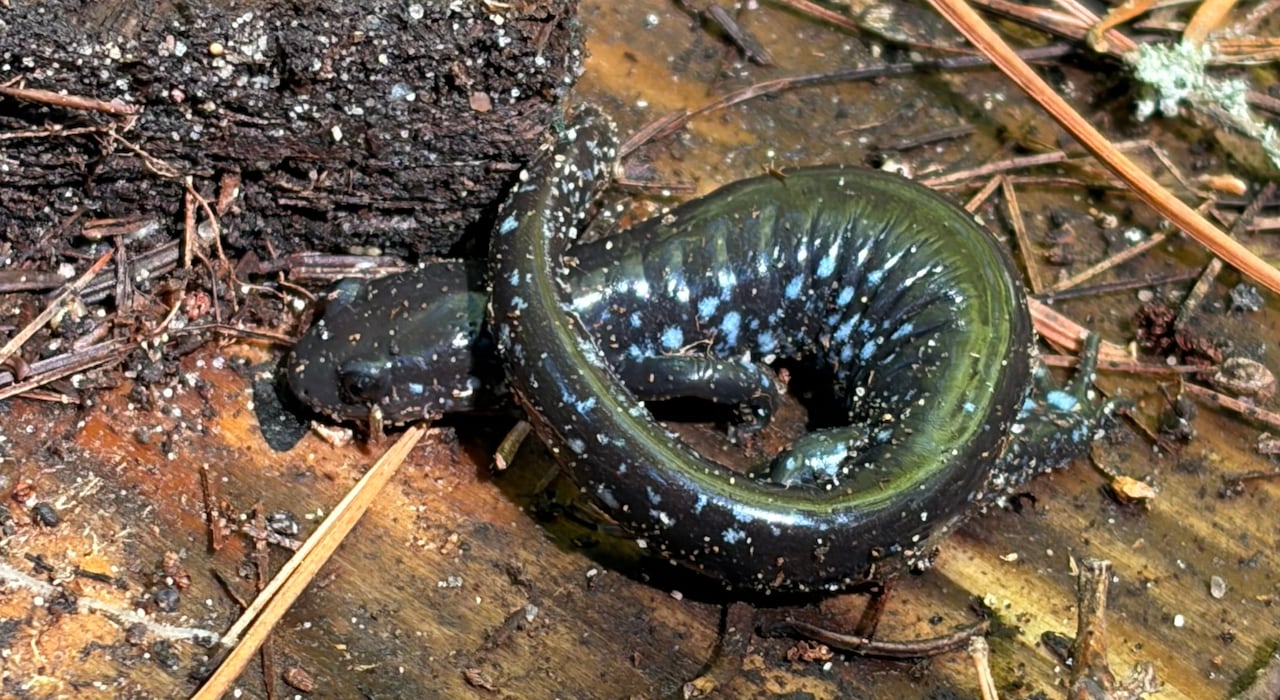
A blue-spotted salamander emerges from beneath a woodpile in northwestern Ontario last summer. The fungal infection Batrachochytrium salamandrivorans hasn’t been confirmed in salamanders in North America yet. (Colby McGilvray/CBC)
“Habitat loss, pesticides, and pollutants are already affecting their environments. We are pushing these species to their biological limits,” Tran remarked.
“When you factor in the disease aspect, which demands additional energy to combat this pathogen, the amphibians simply cannot cope.”
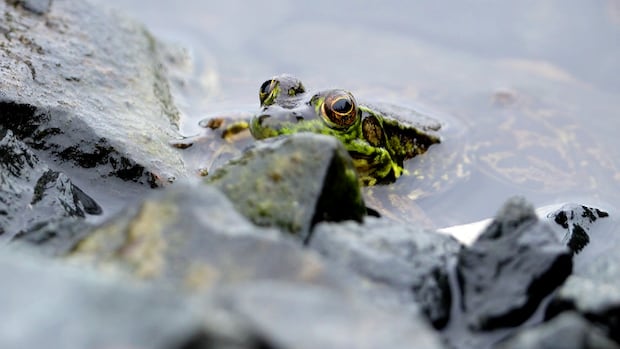
Brandon University researchers are searching Manitoba wetlands for frogs, toads and salamanders, expecting to find something they don’t really want to see: signs of a fungal infection plaguing amphibians the world over.
Tag: rewrite-pending