
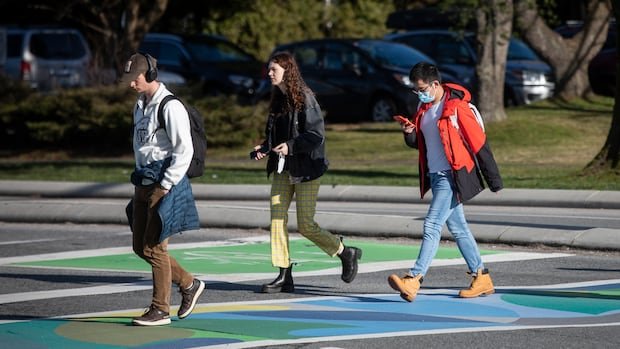

As Canadian children return to school and temperatures cool down, preparing for the upcoming fall season of common illnesses is crucial, according to healthcare professionals. They emphasize that safeguarding health goes beyond simply receiving a flu shot.
The most recent federal surveillance report, monitoring influenza, COVID-19, and respiratory syncytial virus (RSV), indicates a period of relative calm before an anticipated resurgence of these respiratory threats in the coming months. Dr. Ayisha Kurji, a pediatrician in Saskatoon and assistant professor at the University of Saskatchewan, highlights the increased risk as colder weather leads to more indoor activities, facilitating the spread of illnesses and potentially raising hospital admissions for children.
Immunologist Matthew Miller from McMaster University advises Canadians to consider obtaining seasonal vaccines early. Recalling last year’s atypical early spike in flu cases, Miller stresses the importance of timely immunization in the fall to allow sufficient time for the body to develop protective immunity before the peak flu season.
Apart from the flu vaccine recommended for all Canadians aged six months and older, experts suggest a comprehensive approach to vaccination for families, including protection against diseases like measles, which continues to circulate and may see a resurgence in the fall. The transition from summer travels to school gatherings heightens the risk of exposure for children, emphasizing the need for preventive measures.
In addition to seasonal vaccines, authorities recommend keeping routine vaccinations up to date to prevent the resurgence of vaccine-preventable diseases like measles. Dr. Joss Reimer, Canada’s chief public health officer, notes a decline in childhood vaccine uptake since the pandemic, underscoring the importance of maintaining vaccination rates to protect vulnerable populations.
As the fall approaches, Canada’s national vaccine advisory body advocates COVID-19 vaccination for high-risk individuals, including older adults, pregnant individuals, and those with underlying health conditions. The availability of RSV vaccines for older adults and pregnant individuals aims to combat the severe impact of this dangerous virus, especially on newborns.
Research indicates a significant reduction in severe RSV-related illnesses with the use of these newer vaccines. Miller emphasizes the positive impact on infection rates, particularly in older adults and newborns. Experts stress the need for continued vigilance against vaccine-preventable diseases to safeguard public health and prevent potential outbreaks.
Maintaining high vaccination coverage is essential to prevent the resurgence of diseases like measles, which has seen a rise in cases across North America due to suboptimal vaccination rates. The U.S. and Canada have experienced multiple outbreaks, highlighting the need for comprehensive vaccination strategies to protect communities from preventable illnesses.
In conclusion, healthcare experts urge the public to prioritize vaccination against a range of diseases, emphasizing the importance of timely immunization to prevent the resurgence of infectious illnesses and protect vulnerable populations.