
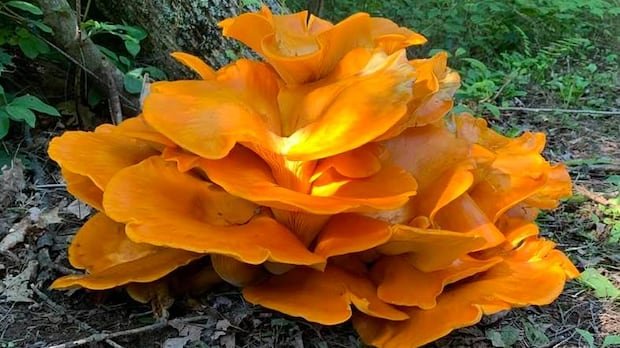

At a UN summit focused on safeguarding global biodiversity, a group of researchers is advocating for the protection of fungi, a diverse group of species often overlooked. Fungi on Earth outweigh all animals combined and encompass an estimated 5 million species, ranging from edible mushrooms to vital microscopic organisms within ecosystems.
Chilean mycologist Giuliana Furci emphasizes the crucial role fungi play in sustaining life on Earth, underscoring the need to include them in conservation efforts alongside plants and animals. The Fungi Foundation, established by Furci in 2012, is among several organizations dedicated to preserving fungi globally, forming the Global Fungal Conservation Network.
During the COP17 UN biodiversity conference in Yerevan, Armenia, the coalition unveiled the Global Strategy for Fungal Conservation. Despite global conservation frameworks like the 2022 Kunming-Montreal Global Biodiversity Framework, fungi remain largely excluded from formal protection measures, despite their classification as a separate kingdom since 1969.
Fungi face similar threats as other species, including habitat loss, climate change, and pollution. The IUCN Red List recently highlighted the precarious status of numerous fungi species, with hundreds at risk of extinction. Efforts are underway to enhance fungal conservation awareness and incorporate fungi into biodiversity monitoring and restoration initiatives.
Recognizing the vital ecological roles fungi play in nutrient recycling and symbiotic relationships with other organisms, conservationists are rallying for increased attention to fungal conservation. By raising public awareness and advocating for policy changes, individuals can contribute to safeguarding these often overlooked but essential components of ecosystems.