

I vividly remember watching Esther Rantzen, a respected consumer advocate, on television during my formative years. Her ability to hold authority figures accountable with unwavering resolve and a warm smile left a lasting impression on me.
I was captivated by the engaging show ‘That’s Life’, which featured a mix of investigative journalism, talking animals, and entertaining segments. The nation was enthralled by simple moments like a dog saying ‘sausages’, a stark contrast to the current era of abundant channels and social media platforms like TikTok.
Sitting beside me, sharing in the laughter, was my mother, the person I admired most. Little did I know that decades later, I would witness her, the pillar of my loving upbringing, endure excruciating pain, pleading for relief in her final moments.
Nearly a year has passed since her passing. She was a dynamic and cherished individual, adored by all who crossed her path, living life with a vibrant spirit that went unnoticed by the larger world.
However, my current memories are overshadowed by the haunting recollections of her agonizing battle with kidney cancer, a cruel disease that had metastasized throughout her body. The sight of her deteriorating physical state, her cries of pain with each movement, and the inefficacy of even potent pain medications like Fentanyl remain etched in my mind.
It was distressing to see the Fentanyl patch on her back, a drug typically associated with illegal use and tragic consequences. Its potency, surpassing that of morphine, was insufficient to alleviate her suffering.
Despite the continuous administration of powerful painkillers through a syringe driver, my mother’s anguish persisted. She expressed fear not of death itself but of dying in agony, highlighting the importance of having the option of a peaceful passing.
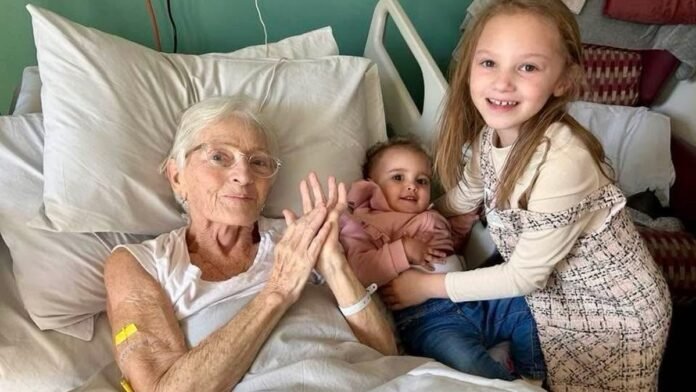
Despite the harrowing ordeal, we considered ourselves fortunate. My mother was granted a rare spot at Pendleside Hospice in East Lancashire, a compassionate facility providing end-of-life care.
Unlike overcrowded hospital wards, the hospice offered personalized attention from dedicated consultants who cherished moments with her, reminiscing about her past joys like tap-dancing. She had a serene room overlooking a picturesque garden, where she found solace in observing birds and nature.
In her final days, our presence, along with that of her beloved dog, husband, and son, provided comfort as she embarked on her ultimate journey. Simple gestures, like a pot of white flowers from my garden, brought solace in her final moments.
A year later, as those same flowers bloom anew, I reflect on her poignant Facebook post following her 80th birthday and terminal diagnosis: ‘Don’t forget to look deep into the snowdrops.’ Such profound words, reminiscent of the wisdom she imparted, offer hope that my cherished memories of her will blossom once more, choosing the solace of nature over pharmaceuticals.