
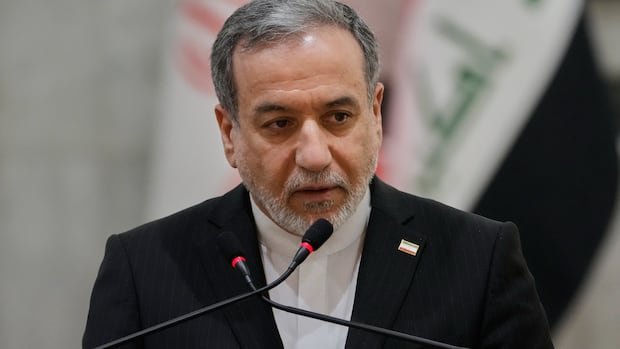

Iran’s Foreign Minister has dismissed recent threats made by U.S. President Donald Trump regarding imposing what he called the “MOST CRUSHING ECONOMIC OPERATION EVER TAKEN” against Iran. Responding on X, Abbas Araghchi criticized Trump’s proposed “Economic D-Day,” labeling it as a distraction from America’s own financial challenges.
Araghchi warned against persisting with ineffective strategies, emphasizing that such actions would only lead to further setbacks and breed animosity among Iranians. He highlighted the global repercussions of U.S. economic pressure, denouncing it as a form of terrorism that endangers economies and sovereignties worldwide.
Trump’s statement of planning an unparalleled “Economic Warfare and Isolation” against Iran came under scrutiny, especially as he urged allies to stand alongside the U.S. in isolating the perceived threat posed by Iran. While not specifying countries, Trump cautioned of severe economic repercussions for any nations providing support to Iran.
China’s significant oil purchases from Iran raised concerns about potential retaliatory risks if the U.S. escalated economic conflicts with China. Chinese Foreign Ministry spokesperson Lin Jian emphasized the need for responsible actions and diplomatic solutions, rejecting the efficacy of sanctions and pressure tactics.
Treasury Secretary Scott Bessent suggested a focus on economic measures as a means to reduce the necessity for major military actions against Tehran. Following the U.S. threats of financial penalties, oil prices surged to their highest level in over three weeks, reflecting the market’s reaction to efforts aimed at resolving the prolonged conflict in the Middle East.
Former U.S. Ambassador Dan Shapiro criticized Trump’s approach, highlighting Iran’s capacity to endure economic hardships and retaliate against the U.S. and its allies. Shapiro pointed out the cyclical nature of escalations and emphasized the need for a strategic shift to break the deadlock in negotiations.
Iran, long subjected to severe economic sanctions, has suffered the consequences of ongoing restrictions, exacerbated by the Trump administration’s policies since the conflict began. Despite the expiration of a 60-day negotiation period without progress, prospects for renewed talks between the two nations remain uncertain.