
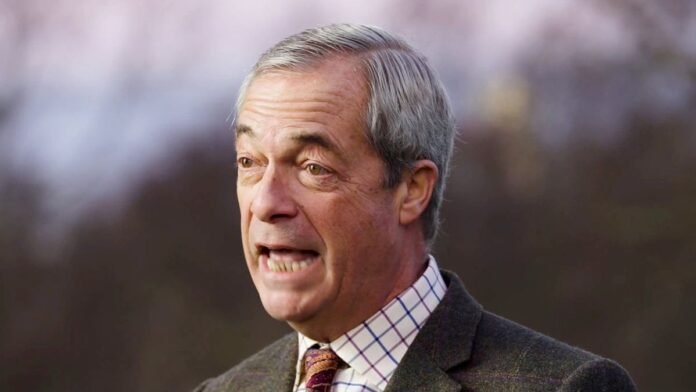

Nigel Farage faced mockery for the timing of his New Year message. The Reform UK leader shared a lengthy video of “hope” this morning, after hinting about it on social media the night before. However, he became a target of jokes regarding Reform UK’s potential connections to Russia, following the imprisonment of the party’s former leader in Wales for accepting Russian bribes.
In response to Farage’s announcement of the message’s release time, Labour MP Jonathan Brash humorously questioned whether the reference was to Britain’s time zone or Moscow time with a witty remark: “GMT or Moscow time?”
In his New Year address, Farage criticized the government, expressed concerns about the education system teaching students to feel ashamed of history, and denounced what he called “extreme net zero policies”. He also raised issues about people feeling unsafe wearing jewelry outdoors and suggested that individuals might face repercussions for inappropriate content on Facebook.
Farage emphasized that Reform UK is the party offering optimism and encouraged individuals to join the right-wing movement. Nonetheless, Brash’s jest highlighted the ongoing controversies surrounding the party. Last month, Nathan Gill, the former leader of Reform in Wales, received a 10-and-a-half-year prison sentence for accepting bribes to promote pro-Russia viewpoints in interviews and speeches at the European Parliament.
Gill, who previously served as an MEP for UKIP and the Brexit Party under Farage’s leadership, was found to have received at least £40,000 from Oleg Voloshyn, a former Ukrainian MP described by the US government as a “pawn” of Russian intelligence services.
During the final Prime Minister’s Questions of the year, Keir Starmer also took a swipe at Reform’s alleged ties to Russia, jokingly advising members of the party to report any suspicious encounters to the authorities. The exchange elicited laughter from MPs in the chamber, including Reform’s deputy leader, Richard Tice.
Following Gill’s conviction, Starmer initiated an investigation into foreign financial interference in British politics, labeling the case a “blemish on our democracy” and proposing an independent inquiry. While Farage dismissed the need for an internal investigation into Russian influences within Reform, he supported the idea of a nationwide probe, acknowledging existing doubts across the political spectrum.