

Five former chairs of a committee advising the Canadian government on endangered species have released a public letter expressing worries about potential amendments to the Species At Risk Act. The scientists believe these changes could lead to the deliberate extinction of endangered species in Canada. Over 600 species are currently protected under this legislation. The proposed modifications, according to the scientists, would significantly weaken the act’s effectiveness and the safeguard it offers.
The scientists, who were previously in charge of the Committee on the Status of Endangered Wildlife in Canada (COSEWIC), sent the letter to the government recently. COSEWIC is an independent body responsible for evaluating species at risk of extinction and recommending their inclusion in endangered species protections. They decided to make the letter public to raise awareness among Canadians about the potential risk of wilfully causing the extinction of Canadian wildlife species.
The concern arises as the government contemplates broad environmental regulatory changes, including revisions to the Species At Risk Act, which are anticipated to expedite the approval and development of major projects. One of the proposed alterations involves allowing major projects to proceed without undergoing a “jeopardy test” mandated by the law if they are deemed to serve national interests.
David Green, a biologist and retired McGill University professor who is one of the former COSEWIC chairs, criticized this move as unnecessary and detrimental to species protection. The jeopardy tests play a crucial role in preventing projects that could harm endangered species and their habitats from being authorized if they pose a threat to their survival.
Additionally, the proposed changes grant the government the authority to establish “federal economic zones” where industrial development could be pre-approved. This includes the pre-approval of pipelines before finalizing their routes and exempting them from federal impact assessments. While Bill C-5 already allows expedited approval processes for projects deemed in the national interest, these new amendments are poised to further streamline the process.
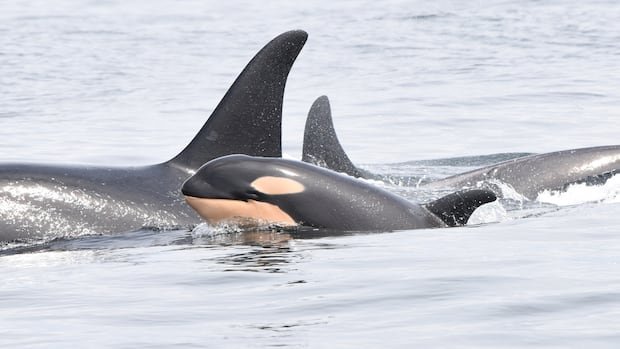
Notably, the scientists highlighted the potential impact of a new West Coast oil pipeline, which is currently under consideration as a project of national interest. This pipeline, if approved, could have severe consequences for several species protected under the act, including the southern resident killer whale and Chinook salmon, both of which reside in the Salish Sea where the pipeline would terminate.
The proposed changes have raised concerns among experts and environmentalists, with many criticizing the government for setting a concerning precedent by potentially weakening species protection laws. Despite the scientists’ public letter, there has been no official response from the government as of the time of this report. The government maintains its commitment to species conservation but argues that economic considerations and trade diversification are driving the need for regulatory changes. However, environmental groups and Indigenous communities continue to oppose these amendments, leading to an extension of the public engagement period. The government plans to release a report summarizing the feedback received from Canadians before the end of summer.
Formal legislation is expected to be introduced after Parliament reconvenes in September. Green, along with other concerned parties, urges the government to reconsider the potential impacts of these changes, emphasizing the irreversible consequences of species loss in Canada.