
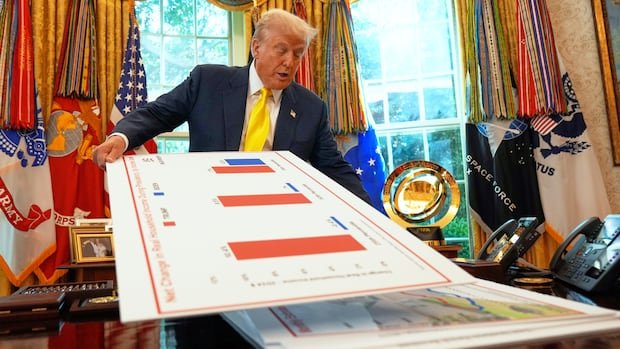

In his state of the union address in March 2025, U.S. President Donald Trump expressed optimism about the economic benefits of tariffs, projecting significant revenue generation and job creation. However, the anticipated job growth has not materialized, and the U.S. government debt has surpassed $40 trillion. The imposition of tariffs has led to a redistribution of wealth, favoring wealthy corporations over lower-income households and the middle class.
Economists argue that tariffs have facilitated a transfer of wealth from disadvantaged groups to well-connected corporations. The tariffs, along with tax policies, align with the economic agenda of the Trump administration and the Republican Party. The impact of tariffs has been particularly harsh on lower-income households, as they tend to spend a larger portion of their income on goods subject to tariffs.
Moreover, the system of tariff exemptions and rebates has further exacerbated the wealth disparity, benefiting major corporations over small businesses and individuals. The arbitrary nature of these exemptions has raised concerns about political favoritism and opacity in the process. Despite claims that refunds from tariffs would benefit consumers, studies suggest that the burden of tariffs is primarily borne by U.S. buyers.
While some corporations promise to pass on refunds to consumers through price reductions, the overall impact of tariffs has led to higher prices and inflation. The revenue generated from tariffs falls short of compensating for tax cuts, contributing to the growing national debt and higher interest rates. Critics argue that the adverse effects of tariffs, including disruptions, increased costs, and strained international relations, outweigh any perceived benefits, calling for alternative revenue-raising measures.