
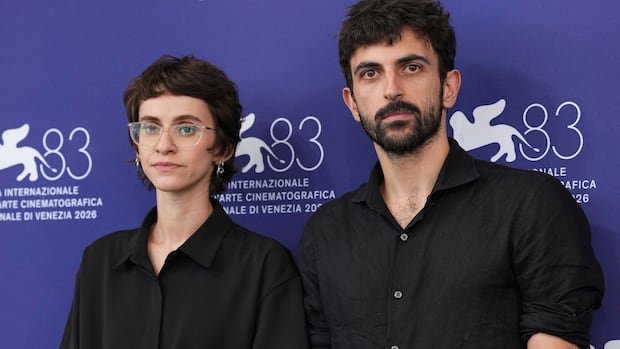

At the Venice Film Festival, Rachel Szor and Yuval Abraham’s documentary, “NAZA,” which exposes Israel’s alleged use of AI-powered military technology to target and eliminate Palestinian civilians in Gaza, garnered a remarkable 24.5-minute standing ovation at its premiere. Video footage shared on social media captured the emotional reaction of the filmmakers as the audience applauded, with Abraham visibly moved to tears.
According to reports, this standing ovation sets a new record at the Venice Film Festival, surpassing the previous longest applause for “The Voice of Hind Rajab” last year and Guillermo del Toro’s “Pan’s Labyrinth” at Cannes in 2006. The film features testimonies from 24 Israeli military insiders, presented anonymously, detailing the utilization of surveillance systems and AI intelligence to identify and strike Hamas targets, disregarding the presence of innocent civilians, including women and children, in the targeted areas.
Despite the film’s allegations, the Israel Defence Forces (IDF) have vehemently denied the claims, stating they reject the accusations and emphasizing that all decisions to strike targets are made by human operators, not AI systems. The IDF asserted their commitment to minimizing harm to civilians during military operations.
“Naza,” named after a military acronym for civilian casualties, serves as a follow-up to Abraham and Szor’s previous award-winning documentary, “No Other Land.” The film was clandestinely shot over three years in Tel Aviv, featuring obscured interviews with Israeli military personnel discussing the alleged use of advanced military technology in targeting operations.
The documentary has sparked controversy and drawn attention at the festival, with some attendees unfurling Palestinian and Lebanese flags during the screening. The filmmakers aim to shed light on the ongoing violence and systemic issues within the conflict, presenting insider testimonies to highlight the gravity of the situation in Gaza.
Executive produced by Jonathan Glazer, “NAZA” has received significant attention and accolades, drawing comparisons to previous works and stirring debate on the portrayal of the Israel-Palestine conflict in the media. The film’s impactful narrative and portrayal of the conflict’s human toll continue to resonate with audiences and critics alike.