
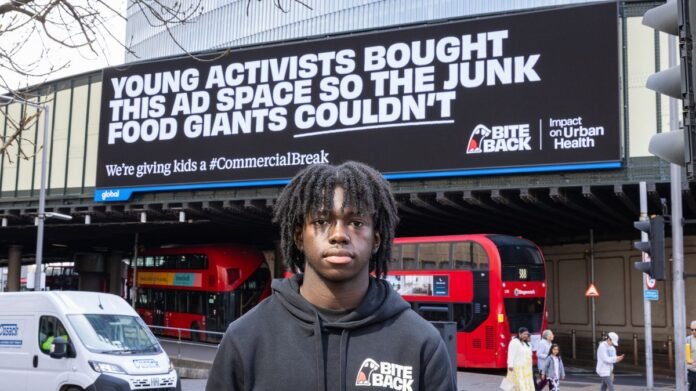

A significant portion of the British population, around 49%, believes that the Government is falling short in safeguarding children’s health and should ramp up efforts to restrict the advertising of unhealthy food aimed at kids. Today, new regulations targeting online and pre-watershed TV advertisements for unhealthy food and beverages are taking effect as part of initiatives to combat child obesity.
The restrictions will impact a range of products including soft drinks, chocolates, sweets, pizzas, and ice creams. Additionally, breakfast cereals, porridges, main meals, and sandwiches might also be subject to these regulations. While ads for plain porridge oats and most muesli and granola will remain permissible, versions with added sugar, chocolate, or syrup could face limitations.
A recent poll conducted by More in Common on behalf of the youth-led charity Bite Back reveals that two-thirds of adults, accounting for 67%, find it unacceptable for food companies to target children with junk food advertisements. Furthermore, over half of the respondents, approximately 55% and 56% respectively, believe that outdoor advertisements such as billboards and promotions on public transport like trains and bus stops should be included in the restrictions.
Bite Back alerts that deprived communities are disproportionately exposed to outdoor junk food ads compared to affluent areas, potentially exacerbating health inequalities. Farid, a 17-year-old activist from Manchester, emphasizes the need to enhance existing measures, stating that despite the progress, junk food adverts continue to dominate public spaces and transport routes.
Phil, a parent from Manchester participating in a More In Common focus group, underscores the importance of restricting junk food advertising targeted at children given the pervasive nature of such promotions across various platforms beyond television. Concerns are raised about children and teenagers being constantly exposed to these ads through social media channels, necessitating rules that align with modern-day realities.
Recent data indicates that one in 10 reception-aged children are obese, while one in five children experience tooth decay by the age of five. D’Arcy Williams, Chief Executive of Bite Back, acknowledges the significance of the newly implemented restrictions in promoting children’s health but stresses the need for further measures to address advertising loopholes and establish comprehensive food policies for healthier environments.
The voluntary ban starting on October 1 has now transitioned into mandatory regulations, with advertisers risking intervention by the Advertising Standards Authority (ASA) for non-compliance. The Government estimates that these actions could result in the removal of 7.2 billion calories from children’s diets annually, potentially reducing childhood obesity cases by 20,000 and generating approximately £2 billion in long-term health benefits.
Health Minister Ashley Dalton affirms the Government’s commitment to ensuring the well-being of every child by curbing junk food advertising before 9pm and prohibiting paid advertisements online. The aim is to decrease exposure to unhealthy foods, making healthier choices more accessible for parents and children. The focus is on preventive measures to enable individuals to lead healthier lives, ultimately reducing the burden on healthcare services.