

Australian researchers have developed a groundbreaking tool for assessing the environmental impact of fossil fuel projects on the climate. They have introduced the Carbon Impacts Tracer, which can predict the effects of proposed energy developments on global warming, glacier melting, and human fatalities. This innovative online platform analyzes the carbon dioxide emissions data of projects to forecast their contribution to global temperature increase and subsequent impacts such as coral reef depletion, food production decline, and job losses.
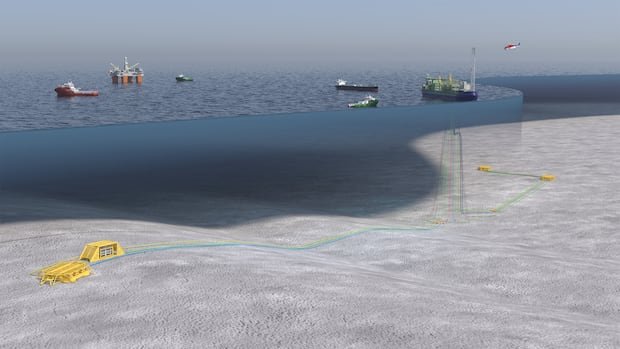
The tool’s launch showcased evaluations of various projects, including five in Australia, one in the U.K., and the Bay du Nord offshore oil project in Canada. The Bay du Nord venture, spearheaded by Equinor, is projected to extract over 430 million barrels of oil, with estimated CO2 emissions of 188 megatonnes over two decades, resulting in a minute temperature rise globally. Additionally, the tool predicts increased exposure to heat for 111,000 individuals, along with 25 more heat-related deaths in Europe. It also forecasts glacier loss, sea level rise, job cuts, and a rise in extreme poverty due to pollution from the project.
The tool’s significance lies in its ability to simplify complex climate data and highlight the tangible consequences of fossil fuel projects on ecosystems and societies. Experts believe that this tool could revolutionize the assessment of environmental impacts, providing essential information for policymakers, regulators, and the public. It is expected to bolster climate litigation efforts by holding entities accountable for their emissions and promoting informed decision-making around energy projects.
Moving forward, the researchers aim to expand the tool’s coverage to include more proposed developments, enhancing its utility in evaluating the environmental implications of future projects. The Carbon Impacts Tracer represents a crucial advancement in understanding the interconnectedness between fossil fuel activities and climate change, emphasizing the urgency of transitioning towards sustainable energy solutions.