
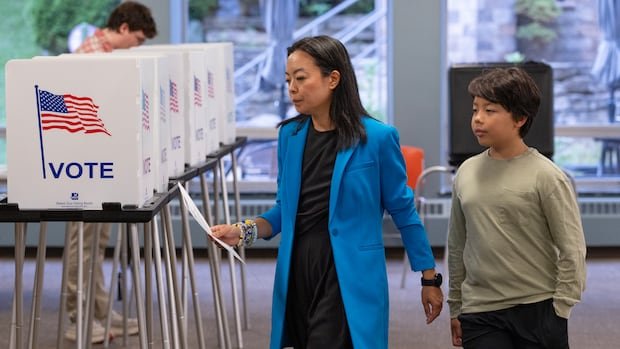

As the U.S. approaches the midterm elections, a tough primary period has deepened the divide between the insurgent progressive and centrist factions within the Democratic Party. The battle is critical for gaining control of Congress this coming November and potentially securing the presidency in 2028. Centrists advocate for moderate and practical policies to win seats currently held by Republicans. On the other hand, progressives argue that uninspiring establishment candidates will not attract the coalition of young individuals, the working class, and diverse voters needed for victory.
Hans Noel, an associate professor of Government at Georgetown University, emphasized the challenge of determining which faction holds more appeal. Progressive candidates may alienate some traditional Democratic voters but could also draw in new supporters, including those who typically do not vote. Factors like personal likability further complicate the prediction process.
During the primary season, where Democratic candidates are selected for the upcoming general elections against Republicans, both progressive and centrist sides have experienced victories and losses. In a recent primary in Wisconsin, progressive candidate Francesca Hong narrowly lost to moderate David Crowley for the governor nomination. Hong faced backlash over past statements supporting defunding the police and controversial remarks about Thanksgiving, distancing herself from these views as the campaign progressed.
Moderates successfully defended their positions against progressive challengers in states like Washington and Missouri. However, progressive Abdul El-Sayed secured a win in Michigan against centrist Haley Stevens despite significant financial backing for Stevens. El-Sayed campaigned on issues like universal healthcare, campaign finance reform, and foreign aid policy changes, earning praise for his communication skills.
The discontent among young voters with the Democratic Party’s leadership, as noted by Bhaskar Sunkara from The Nation magazine, has fueled support for progressive candidates like El-Sayed. While progressives reevaluate stances that may deter voters, moderates caution against potential risks in swing states. Fareed Zakaria highlighted the differing support bases in Michigan’s primary, emphasizing the importance of appealing to a broad electorate.
Debates within the party continue, with centrists like Kate de Gruyter from Third Way warning against moving too far left. The upcoming midterms present a crucial test for the Democratic Party, with President Trump’s declining popularity and controversial decisions potentially benefiting Democrats across the spectrum. The outcome of the elections will shape the party’s future direction, prompting reflections on strategy and messaging.