

Global tensions are rising as experts pinpoint five potential areas of conflict in 2026, with concerns centering on Russia’s actions. Vladimir Putin’s prolonged conflict in Ukraine, now entering its fourth year, shows no signs of resolution, while the massing of Russian troops on NATO borders in Belarus has sparked apprehension.
Aside from the situation in Ukraine, the Kremlin has been implicated in various provocations over the past year, including drone disruptions at European airports, aggressive naval displays, and belligerent rhetoric from Putin’s allies. Moreover, a buildup of military presence in the Caribbean Sea by Donald Trump has escalated tensions with Venezuelan leader Nicolas Maduro.
In a bid to assess potential flashpoints, analysts suggest that the Caribbean Sea, Finland, Estonia, and Russia are areas of concern due to recent incidents like severed communication lines, unmanned aircraft activities, and military escort operations for oil tankers. Predictions indicate that Putin may exploit these regions to divert attention from Ukraine and potentially escalate conflicts in Europe.
Another hotspot identified is the Kinmen Islands, where China could deploy forces to test Taiwan’s response, potentially leading to broader hostilities. The strategic significance of the Middle East’s Strait of Hormuz poses economic risks, as Iran could disrupt global oil supplies as a retaliatory measure against perceived threats.
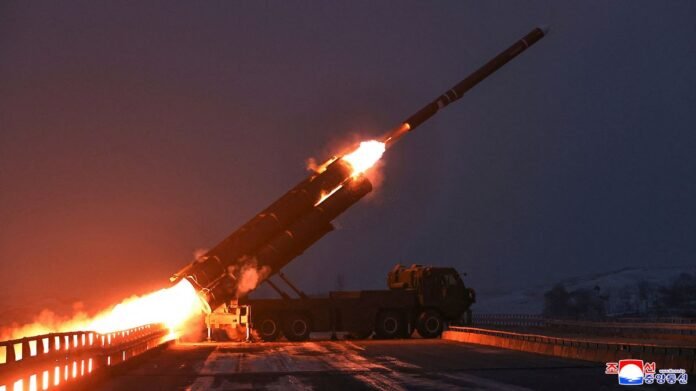
In East Asia, North and South Korea’s fragile truce faces challenges as Kim Jong-un showcases military strength and maintains ties with Russia. The situation is further complicated by North Korea’s ammunition support for Russia’s activities in Ukraine, raising concerns about stability in the region.
As tensions simmer across these potential conflict zones, global security remains a key concern for policymakers and military experts. The evolving dynamics in these regions underscore the need for diplomatic efforts to prevent escalations that could lead to widespread conflicts.