
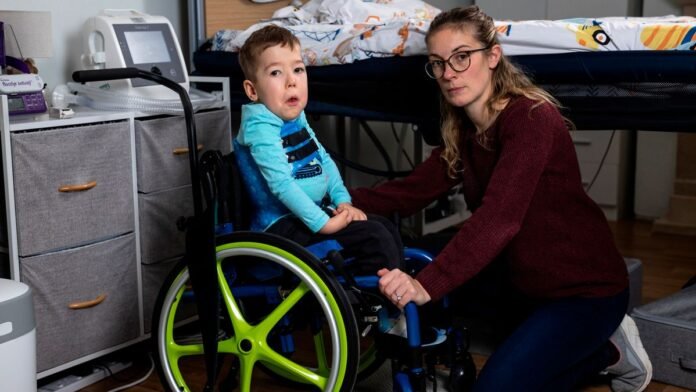

Any parent understands that welcoming a new baby can bring unparalleled stress and concern. However, conversations with parents of children diagnosed with spinal muscular atrophy (SMA) reveal common threads of distress. These parents often share experiences of delayed diagnoses and overwhelming guilt, feeling let down by the healthcare system.
Upon leaving the hospital, parents initially perceive their newborn as healthy, only to notice gradual changes in their baby’s movements, breathing, and feeding patterns over time. Despite voicing concerns to medical professionals, they are reassured that everything is normal. As symptoms persist and worsen, some infants are readmitted to the hospital, sometimes requiring intensive care for common infections.
In many cases, parents resort to online research to identify SMA symptoms and self-diagnose their child. Subsequently, medical professionals confirm the diagnosis through a blood test, but by then, irreversible damage may have already occurred.
Upon confirmation of SMA, parents learn that their baby carries a genetic defect in the SMN1 gene, crucial for nerve cell health. Without this gene, motor neurons deteriorate, leading to muscle wasting. Fortunately, the NHS now offers three transformative treatments that either correct the faulty gene or provide essential proteins to prevent further muscle degeneration, saving the child’s life.
While these treatments offer hope, parents grapple with the realization that earlier intervention could have spared their child severe disabilities. The lack of timely diagnosis highlights the need for increased awareness and screening for SMA in newborns to prevent similar situations in the future.
Despite the challenges, the SMA community remains a source of support and resilience. Treated children can lead fulfilling lives, attend school, form friendships, and bring joy to those around them. Though the future remains uncertain, these children represent a generation with newfound possibilities for survival beyond childhood.
Efforts to advocate for SMA screening have gained momentum, with public figures like Jesy Nelson shedding light on the issue. Health Secretary Wes Streeting has pushed for SMA screening to be included in routine newborn tests, aligning with practices in other developed countries.
The determination of SMA parents to raise awareness and prevent future injustices reflects their courage and dedication. Their advocacy paves the way for a more informed and proactive approach to healthcare, ensuring that no parent faces the same challenges they have endured.