
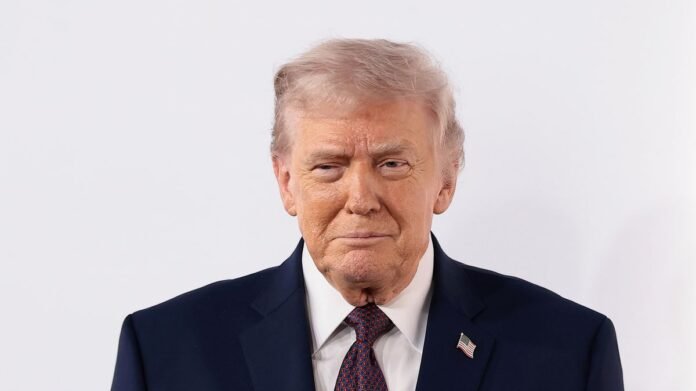

The expenses of maintaining the US carrier strike force near Iran are escalating daily, estimated to be at least £6 million per day, with additional military assets arriving in the region. This significant military build-up against Iran carries political risks for US President Donald Trump, as various warplanes and bombers have been deployed, alongside tens of thousands of US troops on high alert across the region.
The likelihood of a conflict intensifies despite ongoing negotiations, with uncertainties surrounding President Trump’s intentions. While the possibility of limited strikes or no attack remains, it hinges on Iran’s willingness to renounce its nuclear aspirations, which the regime is reluctant to do even in the face of US military presence.
President Trump’s shifting rhetoric towards Iran, from supporting protesters to demanding nuclear negotiations, adds complexity to the situation, particularly in ensuring the protection of civilians and preventing anti-US sentiments. Questions arise about the effectiveness of previous military actions and the challenges of implementing regime change in Iran.
As tensions persist and military assets continue to amass in the Middle East, the Iranian regime appears open to a settlement but struggles to meet American demands regarding nuclear activities and handling of protests. Failure to reach a satisfactory agreement may lead to significant decisions on potential military actions.
The Iranian government, under pressure and seeking a resolution, faces a dilemma in accommodating US demands to avert conflict. President Trump’s next steps remain uncertain, with the possibility of a significant military offensive looming if diplomatic solutions falter.