

In the realm of British media, a longstanding tactic has been wielded with great force for four decades to instill fear in the populace. The strategy involves conjuring images of overflowing garbage heaps, queues for bread, and affluent individuals departing Heathrow en masse, painting a grim picture of what the Labour party supposedly brought upon the nation during the 1970s, warning of a return to a nightmarish scenario under a communist regime.
Looking back on the 1970s, I fondly recall a time of peak equality in our country. It was an era where individuals from working-class backgrounds, like myself, had the opportunity to pursue a trade or obtain a free education, and where community values held significant importance.
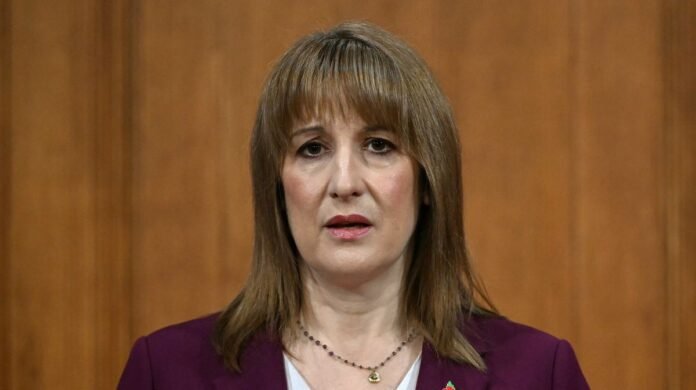
Amidst current discussions, there is a growing concern that Rachel Reeves may follow in the footsteps of Labour’s Denis Healey from 1975 by increasing the basic rate of income tax. However, what often goes unmentioned is that during Healey’s time, the basic tax rate stood at 33%, with multiple escalating rates reaching up to 70%, all of which were raised by 2%. In contrast, today’s top tax rate is 45%, and a proposed 2p increase by Reeves would only bring the basic rate to 22% – still 3% lower than when Thatcher’s tenure ended in 1990 and placing the tax burden lower than that of many comparable economies.
Critics are quick to point out that such a move by Reeves would violate her party’s pledge not to raise income tax, potentially leading to electoral repercussions for Labour. However, with Labour’s popularity dwindling, the stakes are high, especially considering the substantial annual sum of £107 billion required solely to cover the interest on the nation’s massive debts. In the face of grim financial realities, it becomes imperative for Reeves to address these challenges head-on.
Amidst the political landscape, alternatives are limited, with shifting positions on tax policies and budgetary measures. The narrative of tax betrayal from the Tory camp is met with skepticism, given the economic challenges arising from past austerity measures, Brexit, and pandemic mismanagement. Labour’s credibility is scrutinized for its perceived lack of vision and competence, particularly in the case of Reeves. Addressing these concerns directly is now a pressing need.
The time has come to acknowledge the trade-offs between world-class public services, a well-funded welfare system, and low taxation. Reeves faces a critical juncture where honesty is the only viable option. A candid dialogue in her Budget speech is essential, stressing the necessity for all citizens to contribute more in taxes, with the wealthiest shouldering a greater share. While admitting the mistake of promising no income tax hikes, putting the nation’s interests ahead of party politics is paramount.
In navigating the turbulent waters of fiscal policy, Reeves must heed the lessons of history and confront the stark realities awaiting her Budget address in the coming days.